


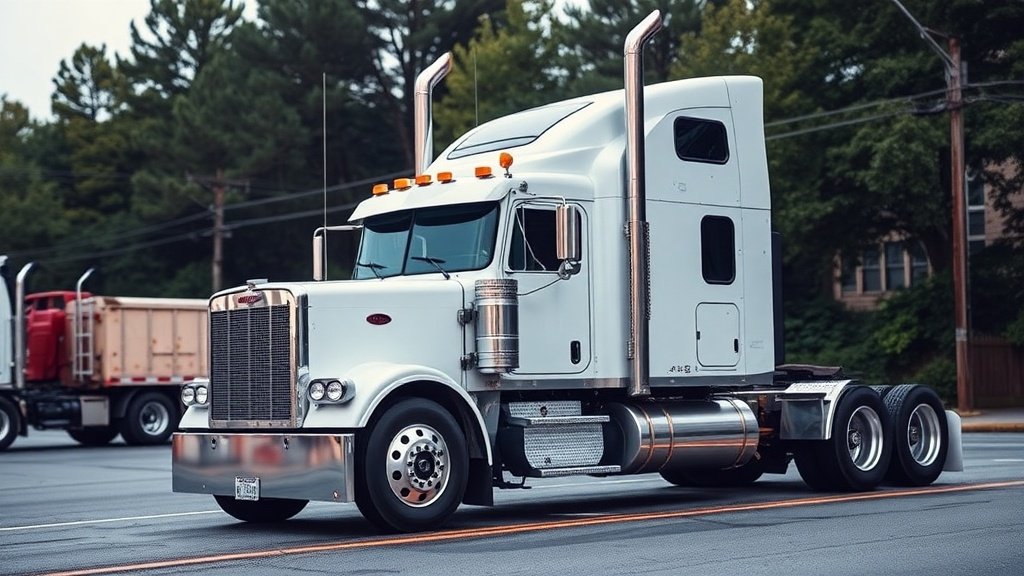
The Importance of Hiring a Specialized 18-Wheeler Accident Attorney in Atlanta
When involved in an accident with an 18-wheeler, the aftermath can be overwhelming. You may be facing serious injuries, costly medical bills, and the stress of dealing with insurance companies. This is why consulting a specialized 18-wheeler accident attorney in Atlanta is vital.
18-wheelers are massive trucks that can weigh up to 80,000 pounds when loaded. Because of their size, accidents involving these trucks can lead to devastating injuries and complex legal situations. Therefore, it’s essential to have an attorney who understands the intricacies of these cases. Here are several reasons why you need a specialized attorney on your side.
Deep Understanding of Trucking Laws
Trucking regulations are different from standard vehicle laws. A specialized attorney knows these laws inside and out. They understand federal regulations, including those from the Federal Motor Carrier Safety Administration (FMCSA), which govern how trucks operate in the U.S. Understanding these rules can make a significant difference in your case.
Investigation Skills and Resources
When an accident occurs, evidence must be gathered quickly. A specialized attorney has access to resources and a network of experts who can help investigate the crash. This may include:
- Accident reconstruction experts
- Mechanical engineers
- Medical professionals
These resources can provide crucial insight into what caused the accident and determine liability.
Experience in Negotiating with Insurance Companies
Insurance companies often aim to minimize their payouts. A specialized 18-wheeler accident attorney has experience negotiating with these companies and knows how to ensure you receive fair compensation for your injuries. They will fight for your rights and handle all communications, allowing you to focus on recovery.
Proven Track Record
Hiring an experienced attorney means you are working with someone who has likely dealt with cases similar to yours. Check their track record for obtaining favorable settlements or verdicts in 18-wheeler accident cases. You are more likely to receive just compensation when you have someone skilled fighting for you.
Understanding of Medical Needs
Your medical needs may be more complex than they would be after a regular car accident. 18-wheeler accidents often lead to serious injuries the likes of:
- Spinal cord injuries
- Traumatic brain injuries
- Broken bones and fractures
- Soft tissue injuries
A specialized lawyer can work with medical professionals to accurately assess your injuries and forecast future treatment costs. This understanding can help secure the compensation you need for ongoing medical care.
Timeline for Claims
Filing a claim after an 18-wheeler accident involves specific deadlines. A specialized attorney is well-versed in these timelines and can ensure your claim is filed timely, preventing any unnecessary delays or denials.
Representation in Court
If a fair settlement is not reached, your case may go to trial. Having a specialized attorney means you won’t be left to handle this process alone. They can represent you in court, present your case effectively, and argue on your behalf.
Support Throughout the Process
A specialized 18-wheeler accident attorney understands the emotional and physical toll such accidents can take on victims and their families. They provide support throughout the entire process, ensuring you feel informed and empowered as decisions are made.
In Atlanta, if you or a loved one has been involved in an accident with an 18-wheeler, it’s essential to seek legal assistance immediately. To learn more about specialized legal help, visit Georgia Auto Accident Lawyers or Shane Graham Law.
Remember, you don’t have to navigate this challenging situation alone. Finding a specialized 18-wheeler accident attorney can make all the difference in obtaining the compensation you deserve and getting back on the path to recovery.
Common Causes of 18-Wheeler Accidents and Legal Implications
18-wheeler accidents can lead to devastating injuries and significant damage due to the sheer size and weight of these vehicles. Understanding the common causes of these accidents can help victims seek justice and provide insight into the legal implications of their situations. Here are some of the leading factors contributing to 18-wheeler accidents along with their legal consequences.
Driver Fatigue
Driver fatigue is a primary cause of many truck accidents. Long hours on the road can lead to exhaustion, which impairs a driver’s ability to operate their vehicle safely. Fatigued drivers may fall asleep at the wheel or make poor judgment calls.
- Legal Implications: If a truck driver causes an accident due to fatigue, they and their employer may be held liable for the damages. Inadequate rest can violate federal regulations, adding weight to the victim’s case.
Speeding
Speeding is another significant factor in truck accidents. Drivers may feel pressured to meet tight delivery schedules, leading them to exceed speed limits. Trucks take longer to stop and are harder to maneuver at high speeds, contributing to serious crashes.
- Legal Implications: Speeding can serve as evidence of negligence. Victims may claim damages based on the driver’s reckless behavior, potentially increasing compensation amounts.
Distracted Driving
Drivers who engage in distracted driving—whether through texting, using a GPS, or eating—face a higher risk of causing accidents. The larger the vehicle, the more damaging the impact when an 18-wheeler collides with smaller vehicles.
- Legal Implications: A distracted truck driver can be held liable for negligence. Victims can pursue compensation, proving that their injuries resulted from the driver’s failure to pay attention.
Improper Vehicle Maintenance
18-wheelers require regular and rigorous maintenance to ensure they operate safely. Mechanical failures due to poor maintenance, such as brake failure or tire blowouts, often lead to catastrophic accidents.
- Legal Implications: If an accident is caused by neglecting maintenance, the trucking company could be held liable. Evidence of inadequate service records strengthens claims against them.
Overloading the Vehicle
Trucks that exceed weight limits can pose severe risks. Overloaded trucks impair braking, traction, and handling. This increases the risk of tipping over or losing control during sudden maneuvers.
- Legal Implications: Victims can cite overloading as a factor in their accident. Legal action can target both the driver and the company for not adhering to weight regulations.
Inexperience
Inexperienced drivers may not be fully equipped to handle the challenges that come with driving an 18-wheeler. Lack of training can lead to poor decision-making on the road, increasing the chances of accidents.
- Legal Implications: Companies that hire inexperienced drivers may face liability for negligent hiring practices. Victims can argue that the hiring process failed to meet safety standards.
Weather Conditions
Adverse weather conditions, such as rain, snow, or fog, can increase accident risks. Improper adjustments for these conditions can lead to serious accidents.
- Legal Implications: If a truck driver fails to adjust their driving according to weather conditions, they can be considered negligent. Victims may seek compensation based on this negligence.
Understanding these common causes of 18-wheeler accidents is vital for victims seeking justice. Each factor has specific legal implications that can significantly impact the outcome of a case. By being aware of these issues, victims can better prepare to navigate the complex legal landscape and increase their chances of receiving fair compensation for their injuries.
For further reading on truck accident laws and legal advice in Atlanta, consider visiting Truck Accident Lawyers or Nolo.
Understanding the Role of Federal Regulations in Trucking Accidents
Trucking accidents are a serious concern across the United States, particularly in densely populated areas like Atlanta. These incidents can lead to severe injuries, fatalities, and significant property damage. Understanding the role of federal regulations in trucking accidents is crucial for establishing accountability and ensuring safety on the roads. Federal regulations are designed to govern various aspects of trucking operations, from vehicle maintenance to driver qualifications.
Driver Regulations
One of the most critical aspects of federal trucking regulations revolves around the qualifications and conduct of commercial drivers. The Federal Motor Carrier Safety Administration (FMCSA) sets the following key guidelines:
- Licensing: Truck drivers must possess a valid Commercial Driver’s License (CDL) tailored for the vehicle they operate.
- Hours of Service: Regulations outline how many hours a driver can work before mandatory rest periods, aiming to prevent fatigue-related accidents.
- Drug and Alcohol Testing: Drivers must undergo regular drug and alcohol screenings, especially after accidents or violations.
Vehicle Safety Standards
Federal regulations also emphasize the importance of vehicle safety. The trucking industry must adhere to strict maintenance and safety protocols. Key regulations include:
- Inspection and Maintenance: Regular inspections must be conducted to ensure that all vehicles are roadworthy.
- Equipment Standards: Trucks must meet specific federal safety standards regarding lighting, brakes, and tires.
- Weight Limits: There are federal weight limits to prevent overloading, which can lead to accidents.
Reporting and Record Keeping
Another essential aspect of federal regulations is the record-keeping requirements imposed on trucking companies. This ensures transparency and accountability. Relevant regulations include:
- Accident Reporting: Companies must report certain types of accidents, which are crucial for analysis and law enforcement.
- Driver Logs: Accurate driving logs must be maintained as proof that companies adhere to the hours of service regulations.
- Maintenance Records: Keeping detailed maintenance logs provides insight into compliance with safety regulations.
Impact of Regulations on Accidents
Understanding how these federal regulations impact accident rates is vital. Research and data indicate that when trucking companies comply with regulations, the likelihood of accidents decreases. To put it in perspective, consider the following:
| Year | Accident Rate (per million miles) | Compliance (%) |
|---|---|---|
| 2018 | 2.4 | 85 |
| 2019 | 2.1 | 90 |
| 2020 | 1.8 | 95 |
As seen in the table, improved compliance correlates with a decrease in accident rates. This relationship highlights the importance of ongoing adherence to federal regulations in ensuring road safety.
Legal Implications
When a trucking accident occurs, understanding these regulations is crucial for legal proceedings. Lawyers specializing in truck accidents often examine compliance with federal regulations to build their cases. Key considerations may include:
- Whether the driver had the proper licensing and training.
- If the truck was maintained per federal standards.
- How well the trucking company adhered to reporting and record-keeping laws.
The complexities inherent in these regulations mean that navigating truck accident claims can be challenging for victims. Seeking legal assistance is often necessary to ensure that victims receive fair compensation for their injuries.
For those involved in a trucking accident, understanding the role of federal regulations can make a significant difference in the outcome of their case. Knowledge of these regulations equips victims and their attorneys to navigate legal challenges effectively.
If you want to learn more about federal regulations in trucking accidents, visit the Federal Motor Carrier Safety Administration which provides detailed information on these guidelines.
Remember, your safety and rights are paramount. Consulting with an experienced attorney can help you understand your situation better and take the next steps toward justice.
Steps to Take Immediately After an 18-Wheeler Accident
Experiencing an 18-wheeler accident can be overwhelming. The moments following the crash are crucial for ensuring your safety and protecting your legal rights. Knowing the right steps to take can make a significant difference in how your case is handled. Here’s what you should do immediately after an 18-wheeler accident.
1. Ensure Your Safety
Your health and safety are the top priority after an accident. First, check yourself and any passengers for injuries. If you or someone else is seriously injured, call 911 for immediate medical assistance. Move to a safe location if possible, away from traffic, to avoid further accidents.
2. Call the Police
Contact the local authorities to report the accident. A police report is vital for documentation purposes. When the police arrive, provide them with accurate information about what happened. Avoid admitting fault or implying liability. This could affect any claims later.
3. Document the Scene
Take detailed notes and photographs of the accident scene. Use your smartphone to capture images of:
- Vehicle damage
- Road conditions
- Traffic signs
- Any injuries
- The surrounding area
This evidence will be important when filing a claim.
4. Exchange Information
Talk to the truck driver and collect pertinent information, including:
- Name and contact information
- Insurance details
- Truck company information
- License plate numbers
- Truck driver’s license number
5. Speak to Witnesses
If there are any witnesses, ask for their statements. Collect their contact information as well. Witness accounts can provide additional perspectives that support your claim.
6. Seek Medical Attention
Even if you feel fine, it is wise to get a medical evaluation. Some injuries may not be immediately apparent. A medical record will also help establish the link between your injuries and the accident, which is essential for any legal action.
7. Contact Your Insurance Company
Notify your own insurance company about the accident. Provide them with necessary information, but avoid giving lengthy statements or discussing fault. Simply focus on informing them of the accident details.
8. Avoid Discussions About Fault
During these initial interactions, keep the conversation focused on facts. Do not admit fault or discuss blame with anyone, including the truck driver or other parties involved. Such statements can be used against you later.
9. Keep a Personal Injury Journal
Document everything related to the accident. This includes:
- Medical treatments and appointments
- Daily symptoms and pain levels
- How your daily life has been affected
This journal can serve as invaluable evidence if you decide to pursue a personal injury claim.
10. Consult a Specialized Attorney
Contact a specialized 18-wheeler accident attorney as soon as possible. A qualified attorney will help you navigate the complex legal landscape surrounding truck accidents. They can ensure your rights are protected, help gather evidence, negotiate with insurance companies, and represent you in court if necessary. Consider visiting Truck Accident Attorneys for more information on how they can assist you.
Taking these steps after an 18-wheeler accident is critical for your health, safety, and legal rights. By preparing yourself, you can navigate this challenging situation more effectively. Remember, the aftermath of an accident can be complex, so consider engaging with professionals who specialize in this area.
If you’d like to learn more about handling truck accidents, visit Legal Match.
How to Choose the Right 18-Wheeler Accident Attorney for Your Case
Choosing the right attorney after being involved in an 18-wheeler accident can be overwhelming. It is crucial to find someone who understands the complexities of truck accident laws and can fight for your rights. Here are some essential factors to consider when selecting an 18-wheeler accident attorney in Atlanta.
Experience and Specialization
Experience is a key factor in selecting an attorney. You need someone who specializes in personal injury law related to truck accidents. A specialized attorney will have an in-depth understanding of federal and state regulations governing commercial vehicles. Look for the following:
- Years of handling truck accident cases.
- A strong track record of successful settlements and verdicts.
- Knowledge of trucking industry standards and regulations.
Reputation and Reviews
It’s essential to research an attorney’s reputation within the legal community and among former clients. Read online reviews and testimonials to gauge their effectiveness. Recommendations from friends or family can also provide valuable insights. Consider these points:
- Check ratings on websites like Avvo and Yelp.
- Look for any disciplinary actions against the attorney through state bar associations.
- Assess their standing in the legal community and peer reviews.
Communication Style
Communication is critical throughout the legal process. You need an attorney who keeps you informed and answers your questions. Pay attention to how they communicate during the initial consultation:
- Do they listen to your concerns?
- Are they clear and straightforward in their explanations?
- Do they seem genuinely interested in your case?
Fee Structure
Understanding the fee structure is essential to avoid any surprises down the line. Most truck accident attorneys work on a contingency fee basis, meaning they only get paid if you win your case. Here are some critical points to clarify:
- What percentage of the settlement will the attorney take?
- Are there any upfront fees or costs that you need to cover?
- What happens if the case doesn’t settle or go to trial?
Resources and Support
A qualified attorney should have access to the resources necessary to build a strong case. They might need expert witnesses or accident reconstruction specialists to help prove liability. Inquire about:
- The kind of support staff they have.
- Access to necessary resources like accident investigators.
- Collaboration with other legal or industry experts.
Trial Experience
Not every case settles, and you need to ensure your attorney is willing to go to trial if necessary. Attorneys with trial experience provide peace of mind that they are prepared to fight for you in court. Consider asking:
- What percentage of their cases go to trial?
- How do they prepare for trial?
- Can they share examples of previous trial cases they handled?
Consult Multiple Attorneys
Don’t settle for the first attorney you meet with. Schedule consultations with multiple attorneys to find the right fit. Most consultations are free, so take advantage and ask pertinent questions. This can help you assess:
- The attorney’s confidence in your case.
- Your comfort level in communicating with them.
- The strategies they propose for your specific situation.
| Criteria | What to Look For |
|---|---|
| Experience | Years in practice, success in truck accident cases. |
| Reputation | User reviews, peer endorsements, no disciplinary actions. |
| Communication | Clarity, responsiveness, willingness to listen. |
| Fees | Contingency fees, upfront costs, and trial expenses. |
| Resources | Access to experts and support staff. |
| Trial Experience | Track record in court, preparation strategies. |
Choosing the right attorney for your 18-wheeler accident case requires careful consideration of various factors. By doing thorough research and following the mentioned guidelines, you can ensure that you have the best legal support for your needs. For more information or assistance in finding legal representation, consider visiting Truck Accident Attorneys.
Conclusion
Navigating the aftermath of an 18-wheeler accident can be overwhelming, especially in a bustling city like Atlanta. Understanding the importance of hiring a specialized 18-wheeler accident attorney is crucial to ensuring that your rights are protected and that you receive the compensation you deserve. Given the myriad of common causes behind these accidents—from driver fatigue to poor vehicle maintenance—having a knowledgeable attorney on your side can significantly impact the outcome of your case.
Federal regulations play a pivotal role in trucking operations, and a specialized attorney understands these laws thoroughly. They can leverage this knowledge to build a robust case on your behalf. With many legal complexities surrounding trucking accidents, adhering to these regulations can be the difference between winning and losing your claim.
Taking immediate steps after an accident, such as documenting the scene and seeking medical attention, is vital. However, it’s equally important to connect with an attorney who specializes in 18-wheeler accidents. Choosing the right attorney involves looking for experience, a solid track record, and a strong client-focus to ensure that your needs are prioritized throughout the legal process.
Your path may feel uncertain, but with the right specialized attorney advocating for you, you can navigate the complexities of your situation with confidence. Don’t leave your future to chance—invest in skilled legal representation to protect yourself and your interests following an 18-wheeler accident.







No Comments