


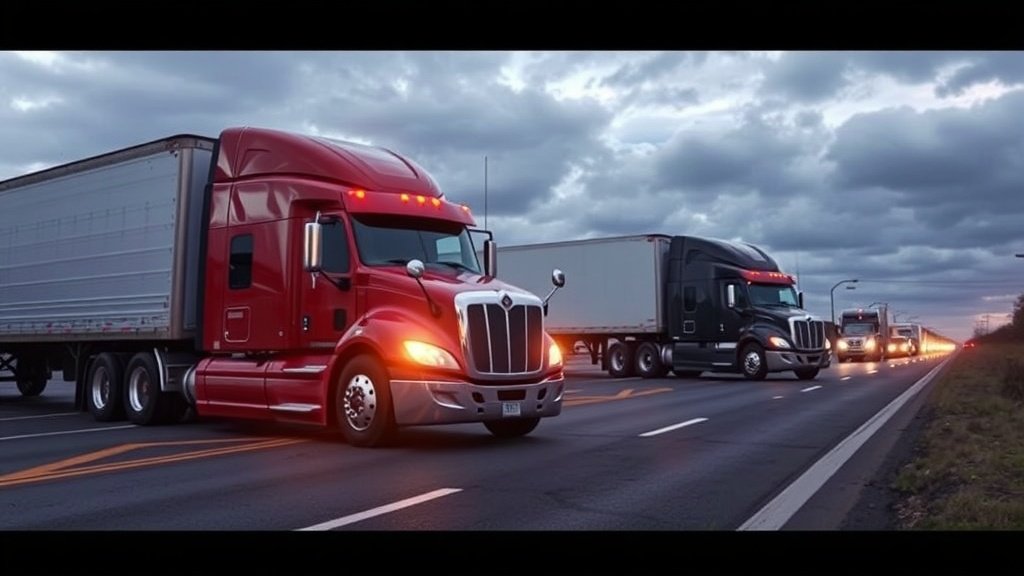
Key Factors that Distinguish 18-Wheeler Accident Cases in Atlanta, Georgia
When you think about 18-wheeler accidents in Atlanta, Georgia, it’s essential to recognize how complex these cases can be. The size and weight of these trucks distinguish them from regular vehicles, significantly affecting accident claims and litigation processes.
Let’s explore the key factors that make 18-wheeler accident cases in Atlanta unique:
1. Federal Regulations
Operators of 18-wheelers must adhere to stringent federal regulations outlined by the Federal Motor Carrier Safety Administration (FMCSA). These rules dictate various aspects, including:
- Driver qualifications
- Hours of service
- Vehicle maintenance
When accidents occur, proving that a trucking company violated these regulations can be crucial in holding them accountable for damages.
2. Multiple Parties Involved
Unlike regular car accidents, 18-wheeler cases often involve multiple parties. This could include:
- The truck driver
- The trucking company
- Vehicle manufacturers
- Insurance companies
Each party may have different responsibilities and liability, complicating the case further. Understanding these dynamics is essential when navigating the legal process.
3. Serious Injuries
In collisions with 18-wheelers, individuals in passenger vehicles often suffer severe injuries due to the weight and size of commercial trucks. Common injuries include:
- Traumatic brain injuries
- Spinal cord injuries
- Fractures and broken bones
These injuries can lead to considerable financial burdens, including medical costs and lost wages. It’s vital to have an experienced attorney who can advocate for fair compensation based on the gravity of your injuries.
4. Evidence Collection
Gathering evidence is crucial in 18-wheeler accident cases. Evidence such as:
- Truck maintenance records
- Electronic logging device (ELD) data
- Witness statements
Can significantly strengthen your case. Aspects like black box data can provide insights into vehicle behavior before the accident. Therefore, securing an attorney quickly after the incident is often vital.
5. Insurance Considerations
The insurance policies for trucking companies are typically far more complex than standard car insurance. Companies often have high liability limits, which can lead to prolonged negotiations. Some key points to keep in mind include:
- Trucking companies may have multiple insurance policies.
- Claims might cross jurisdictions if the trucking company operates interstate.
This makes it important to have a legal team experienced in navigating the nuances of trucking insurance.
6. Legal Representation
Having a knowledgeable attorney who specializes in 18-wheeler accidents in Atlanta is crucial. They can assist you with:
- Understanding your rights
- Dealing with aggressive insurance companies
- Negotiating settlements
Be sure to look for attorneys who have a proven track record in trucking accident cases, as they will better understand the intricacies involved.
7. State Laws
Georgia has specific laws that affect accident cases, such as comparative negligence laws. If you are found partially at fault for an accident, your compensation may be reduced. Therefore, it’s crucial to understand how state laws can impact your case.
Whether you are a victim of an 18-wheeler accident or a lawyer specializing in this type of case, understanding these key factors is paramount. They help shape the approach and strategy necessary to successfully navigate the complexities associated with 18-wheeler accidents in Atlanta.
For more detailed information on truck accident laws and to find expert legal help, consider checking out Truck Accident Lawyer Atlanta or Georgia Trial Attorneys.
The Role of Trucking Regulations in Accident Liability
In the world of commercial trucking, strict regulations govern how vehicles operate and ensure safety on the roads. When an accident involving a truck occurs, understanding these regulations is crucial in determining liability. Trucking regulations differ significantly from those applied to passenger vehicles, making it essential to recognize the specific laws surrounding truck accidents.
The Federal Motor Carrier Safety Administration (FMCSA) primarily governs trucking regulations in the United States. These regulations set standards for various aspects, including driver qualifications, vehicle maintenance, and travel hours. Here are some key regulations that significantly impact accident liability:
- Driver Qualifications: Truck drivers must meet specific educational and training requirements. They should hold a commercial driver’s license (CDL) and often undergo background checks. If a driver fails to comply with these regulations, they may be liable in the event of an accident.
- Hours of Service (HOS): Regulations limit the number of hours a driver can operate a truck without rest. Violating HOS rules can lead to fatigue, contributing to accidents. If fatigue is proven to be a factor, liability may fall on the driver or the trucking company.
- Vehicle Maintenance: Companies must regularly inspect and maintain their trucks. If an accident occurs due to mechanical failure, the trucking company may be held liable for not conducting proper maintenance.
- Drug and Alcohol Testing: Drivers must undergo testing before, during, and after their employment. If a driver is under the influence at the time of an accident, this can significantly impact liability.
The rigorous enforcement of these regulations means that any violation can heavily influence the determination of liability. For instance, if a trucking company fails to ensure that their driver has the necessary training or safe working hours, they can be held accountable for accidents caused by their negligence.
Moreover, trucking companies may also be liable for the actions of their employees under the doctrine of “vicarious liability.” This legal principle means that employers can be held responsible for their employees’ actions if those actions occur within the scope of employment. Therefore, if a driver causes an accident while following their delivery route, the company can also face legal repercussions.
| Regulation | Description | Impact on Liability |
|---|---|---|
| Driver Qualifications | Requirements for obtaining a CDL and background checks. | Failure to comply can lead to driver negligence claims. |
| Hours of Service | Limits on driving hours to prevent fatigue. | Fatigue leading to accidents can result in liability for the company. |
| Vehicle Maintenance | Regular inspections and necessary repairs. | Mechanical failures can hold companies liable for accidents. |
| Drug and Alcohol Testing | Regulations surrounding substance testing for drivers. | Accidents involving impaired drivers increase liability risks. |
Additionally, trucking regulations require clear documentation. Accident reports often need to include logistics such as driving records, vehicle maintenance logs, and driver’s work schedules. This documentation aids in assessing who is at fault in a truck accident, making compliance vital for companies to defend against liability claims.
In Atlanta, Georgia, the law concerning trucking accident claims is stringent, and victims may face a complex legal landscape. Local laws can also interact with federal trucking regulations, affecting how cases are evaluated. Thus, victims must consult attorneys who specialize in trucking law to navigate these laws effectively.
If you or someone you know has been involved in a trucking accident, it’s essential to seek assistance from professionals who understand the intricacies of trucking regulations. Websites such as FMCSA and American Trucking Associations provide valuable resources to understand these complexities.
Understanding the role of trucking regulations in accident liability can provide clarity not only for victims but also for trucking companies. By adhering to these rules, businesses can potentially reduce their liability while ensuring safety on the roads.
Common Injuries Sustained in 18-Wheeler Accidents and Their Implications
In the bustling environment of Atlanta, Georgia, 18-wheeler accidents present significant challenges for victims and their families. Understanding the common injuries sustained in these accidents is crucial for both legal and medical perspectives. Victims often suffer from severe injuries that can lead to long-term health implications, affecting their quality of life and financial stability.
When an 18-wheeler collides with a smaller vehicle, the sheer size and weight of the truck can result in devastating damage. Let’s look at some of the most common injuries that occur during these accidents:
- Traumatic Brain Injuries (TBIs): These injuries can vary from mild concussions to severe brain damage. Survivors may face cognitive issues, memory loss, and long-term disabilities. The National Institute of Neurological Disorders and Stroke provides valuable insights on brain injury symptoms.
- Spinal Cord Injuries: Damage to the spinal cord can result in paralysis, affecting mobility and bodily functions. Recovery often requires extensive therapy, potentially leading to significant medical expenses.
- Fractures: Broken bones are common in accidents involving large trucks. Fractures can be compound, impacting recovery time and mobility. Healing may necessitate surgeries and rehabilitation.
- Internal Injuries: The force of a truck collision can cause organ damage. These injuries may not be immediately apparent, as symptoms can take time to develop. Regular medical check-ups are essential following an accident.
- Soft Tissue Injuries: Sprains, strains, and contusions can cause serious pain and affect daily activities. Although these injuries are often less severe than fractures, chronic pain can linger long after the accident.
- Psychological Injuries: Mental health is often overlooked in accident cases. Victims can experience PTSD, anxiety, and depression following an accident. Support from mental health professionals can be crucial for recovery.
In addition to understanding these injuries, it’s equally important to recognize their implications. Victims often face not only physical hardships but also financial burdens. Medical bills, rehabilitation costs, lost wages, and potential long-term care can add up quickly.
Data reveals that victims of 18-wheeler accidents can incur costs exceeding $1 million. This figure includes treatment, lost income, and other damages. Here’s a simple table illustrating various injury types and their potential implications:
| Type of Injury | Potential Implications |
|---|---|
| Traumatic Brain Injury | Extensive rehabilitation, cognitive impairment, potential for care support |
| Spinal Cord Injury | Possible paralysis, long-term medical support required, accessibility modifications needed |
| Fractures | Long recovery, increased medical costs, potential for chronic pain |
| Internal Injuries | Immediate medical attention required, long-term monitoring, possible lifestyle changes |
| Soft Tissue Injury | Physical therapy, potential for chronic pain, extended recovery time |
| Psycho-emotional Trauma | Therapy may be needed, potential impact on daily life and relationships |
Victims often need sound legal representation to navigate the complexities of compensation claims. These cases can involve multiple parties, such as truck drivers, trucking companies, and insurance providers. Each party may have their own legal counsel and expertise, making it vital for victims to have experienced legal support by their side.
In Atlanta, certain resources exist to assist victims of 18-wheeler accidents in understanding their rights and options. Websites like the Atlanta Trial Lawyers provide valuable insights into navigating personal injury claims. They offer consultations to help victims understand their potential compensation and legal routes.
Ultimately, the impact of these injuries extends beyond immediate medical issues. Not only do victims have to deal with physical recovery, but many face long-term consequences that can alter their daily lives. Comprehensive awareness and support networks can help foster recovery and reclaim a sense of normalcy after an 18-wheeler accident.
Understanding Negligence and Its Impact on Accident Investigations
When accidents occur, determining who is at fault is a crucial part of the investigation. Negligence often plays a central role in these cases. In an accident, negligence refers to a failure to act with the care that a reasonably prudent person would exercise in similar circumstances. Understanding negligence can help you navigate the complex landscape of accident investigations.
Negligence can arise in multiple forms during an accident investigation. Here are some common types:
- Motor vehicle negligence: This involves reckless driving, distracted driving, or driving under the influence. Any of these can lead to serious accidents, where the negligent driver may be held responsible.
- Premises liability: If someone is injured on another person’s property due to unsafe conditions, the property owner might be found negligent for failing to maintain a safe environment.
- Product liability: Sometimes products fail to perform as intended, leading to accidents. If a faulty product causes injury, negligence could be attributed to the manufacturer or distributor.
To prove negligence, several elements must typically be established:
- Duty of care: The responsible party had an obligation to act (or refrain from acting) in a certain way toward the injured person.
- Breach of duty: The responsible party failed to meet that obligation through their actions or inactions.
- Causation: There must be a direct link between the negligent action and the injury suffered.
- Damages: The injury must have resulted in actual damages, which can be physical, emotional, or financial.
Understanding these elements is essential for anyone involved in an accident investigation, as proving negligence can significantly impact the outcome of a case. For instance, if a driver was texting while driving and caused an accident, their breach of duty could make them liable for damages. Similarly, if a property owner was aware of a dangerous condition but failed to fix it, they may be found negligent.
In Atlanta, the impact of negligence can lead to serious consequences for the responsible party and profound changes for those affected. This is especially true in vehicular accidents, where the stakes are high. The legal landscape regarding negligence can also vary by state, making it crucial to consult local experts.
Investigators often scrutinize the circumstances surrounding an accident to establish negligence. This can include gathering witness statements, reviewing police reports, and analyzing surveillance footage. Each piece of evidence helps paint a clearer picture of what transpired.
Actions taken after an accident can influence the determination of negligence as well. Here are some steps to consider:
- Seek medical attention: Always prioritize health. Medical records can serve as vital evidence in establishing the severity of injuries and can corroborate your claim.
- Document the scene: Take photos and gather eyewitness information. This evidence can substantiate your account and highlight any discrepancies in the other party’s statements.
- Consult with legal professionals: An attorney experienced in accident cases can provide invaluable advice and assistance, helping you navigate the complexities of negligence claims.
In some instances, the burden of proof may shift to the defendant, especially in cases where the injured party can provide viable evidence of negligence. This nuance makes consulting an attorney essential for any claims process.
Legal standards such as “comparative negligence” can further complicate matters. In such cases, your compensation may be reduced if found partially at fault. Understanding how this applies to your situation can significantly affect your recovery.
Ultimately, grasping the principles of negligence is crucial in accident investigations. Whether it’s a car accident, slip-and-fall, or product malfunction, negligence shapes the legal outcomes that follow. Consulting with legal professionals, such as those at HG.org or reaching out to the Georgia Department of Driver Services for regulations can provide additional context and guidance.
Being informed is your first step toward obtaining justice and compensation. Knowing how negligence impacts accident cases empowers you as a claimant and helps ensure that the responsible parties are held accountable.
Navigating the Legal Process After an 18-Wheeler Accident in Atlanta
Navigating the aftermath of an 18-wheeler accident can be overwhelming, especially in a bustling city like Atlanta. The legal process following such incidents involves unique complexities that can set an 18-wheeler accident apart from other vehicle collisions. Understanding these differences is crucial for victims seeking justice and compensation for their injuries and damages.
After an accident, your first step should be to ensure safety and get medical attention. Once the immediate concerns are handled, you may wonder what comes next legally. Here are essential aspects to consider:
- Multiple Parties Involved: 18-wheeler accidents often involve numerous parties, including the truck driver, the trucking company, maintenance contractors, or even the cargo owners. Each party may bear some responsibility, increasing the complexity of the case.
- Regulatory Compliance: Trucking companies must adhere to federal and state regulations, including hours of service and proper maintenance protocols. Violations of these regulations can be critical in your case.
- Insurance Coverage: Commercial truck insurance policies are typically much larger than personal vehicle insurance. While this can benefit injury claims, it can also create complications as companies might dispute liability to protect their interests.
After understanding the unique challenges that come with an 18-wheeler accident case, you should focus on specific steps to navigate the legal process effectively.
Steps to Take After an Accident:
- Seek Medical Attention: Always prioritize your health first. Even if you feel fine, some injuries may not show immediate symptoms.
- Document the Scene: Take photos of the accident scene and gather witness statements. This evidence can be vital in establishing liability.
- Notify Your Insurance: Report the accident to your insurance company. However, avoid discussing specific details about the accident without legal guidance.
- Consult an Attorney: Engage a lawyer specializing in truck accident cases as soon as possible. They can help navigate the complexities of your case and protect your rights.
In Atlanta, having a knowledgeable attorney is crucial due to Georgia’s comparative negligence law. This law dictates that if you are partially responsible for the accident, your compensation may be reduced by your percentage of fault. Therefore, building a strong case is vital to ensure you get what you deserve.
Once you have legal representation, your attorney will guide you through the investigation process. They will gather evidence, such as:
- Police reports
- Driver logs
- Truck maintenance records
- Witness testimonials
This investigation aims to establish liability and determine the best approach for your case. Your attorney will also assess the damages to your vehicle, medical expenses, lost wages, and pain and suffering to come up with a suitable compensation claim.
One aspect that might surprise you is the length of time these cases can take. Due to the intricacies involved, some cases might take months or even years to resolve. This prolonged process can be frustrating, but patience is often necessary in seeking full justice.
Keep communication open with your attorney and stay aware of the case’s progress. They will provide regular updates and may request additional information as the case evolves.
For more detailed information about your rights and options after an 18-wheeler accident in Atlanta, you might find resources at Florin Roebig helpful. Additionally, Law.com offers insights about the advantages of legal assistance.
Navigating the legal process after an 18-wheeler accident requires knowledge and careful steps. With the right support, you can pursue a successful outcome while focusing on your recovery and well-being.
Conclusion
Navigating an 18-wheeler accident case in Atlanta, Georgia, presents unique challenges that drivers and their families should understand. Key factors, such as the size and weight of commercial trucks, play a significant role in the severity of injuries and damage incurred. The trucking regulations established by state and federal authorities directly influence accident liability, serving as a critical reference during legal proceedings. Understanding these regulations can help make sense of the responsibilities of trucking companies and drivers involved in accidents.
Victims of 18-wheeler accidents often face serious and life-altering injuries, such as spinal damage, traumatic brain injuries, or fractures. These injuries have long-term implications, including costly medical treatments and rehabilitation, requiring victims to seek fair compensation. A strong grasp of negligence is vital, as it heavily impacts how accident investigations unfold. Knowing what constitutes negligent behavior by drivers or companies helps victims build their cases effectively.
The legal process following an 18-wheeler accident can be complex, but being informed is key to navigating it successfully. From gathering evidence to negotiating with insurance companies, victims must be diligent and proactive. Seeking professional legal assistance can provide additional support in this intricate process, helping victims secure the compensation they deserve.
Ultimately, understanding the factors that differentiate 18-wheeler accident cases in Atlanta not only aids in effective recovery and rehabilitation but also empowers victims and their families with knowledge. With proper guidance, those affected can navigate the intricacies of their situations and work towards obtaining justice and closure after such traumatic experiences.







No Comments