


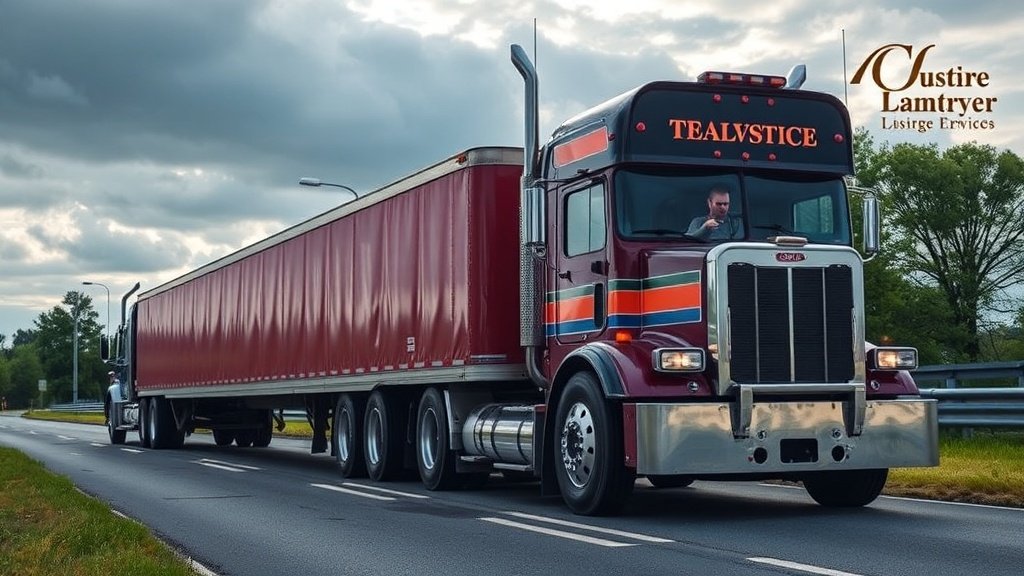
Understanding the Role of an Atlanta, GA 18-Wheeler Accident Attorney in Your Case
When you find yourself involved in an 18-wheeler accident in Atlanta, GA, the aftermath can be overwhelming. It is crucial to understand how an experienced attorney can play a vital role in your case. These skilled professionals specialize in personal injury law and specifically focus on large truck incidents. Their knowledge can be the key to navigating the complex legal landscape that follows such accidents.
Defining the Scope of Your Case
Immediately after an accident, many factors come into play. An Atlanta 18-wheeler accident attorney helps define the scope of your case. Their role is to:
- Review the details of the accident
- Collect evidence and witness testimonies
- Identify liable parties
- Calculate your damages accurately
Investigating the Accident
An attorney can initiate a thorough investigation. They will gather essential documents like police reports and medical records. Additionally, they have access to accident reconstruction experts who can help clarify the event’s circumstances. This thorough investigation provides a solid backbone for your claim.
Navigating Insurance Companies
One of the most challenging aspects of the claims process involves dealing with insurance companies. They often aim to minimize payouts. Your attorney acts as your advocate here, handling all communications and negotiations. This can take a significant weight off your shoulders, allowing you to focus on recovery. Some specific ways they assist include:
- Preparing and filing your claim
- Negotiating settlement offers
- Representing you in court if necessary
Understanding Liability in 18-Wheeler Accidents
Liability in 18-wheeler accidents can be complex. Various parties may be held responsible, including:
- The truck driver
- The trucking company
- The manufacturer of the truck or parts
- The maintenance team
In many cases, it is essential to prove negligence to establish liability. An experienced attorney knows how to gather the necessary evidence to support your claim effectively.
Calculating Damages
Determining the amount you may be entitled to involves various factors, including:
- Medical expenses
- Lost wages
- Pain and suffering
- Emotional distress
Your lawyer will ensure these factors are taken into account, providing a comprehensive understanding of your damages. This way, you can pursue a claim that reflects the full extent of your losses.
Preparing for Court
If your case goes to trial, your attorney will prepare you for what to expect. This includes:
- Explaining courtroom procedures
- Preparing witnesses for testimony
- Drafting legal arguments
Having a firm grasp of the legal process can alleviate stress and uncertainty as you move forward with your case.
Choosing the Right Attorney
Not all attorneys specialize in 18-wheeler accidents. It is crucial to select one with a proven track record. Look for an attorney who:
- Has experience with large vehicle accidents
- Has successfully handled similar cases
- Offers a free initial consultation
Finding the right attorney can significantly impact the outcome of your claim.
In Atlanta, many resources are available to help you seek justice in the aftermath of an 18-wheeler accident. For more information, you may consider visiting Atlanta Personal Injury Lawyer or Georgia Trial Attorneys for expert legal help.
Days following an accident are crucial for building your case. Seek legal assistance as early as possible to ensure your rights are protected, allowing you to focus on healing and moving forward with your life.
Key Legal Steps to Take After an 18-Wheeler Accident
Being involved in an 18-wheeler accident can be a traumatic experience. It’s essential to know the legal steps required to protect your rights and secure compensation for any injuries or damages. Understanding these steps can set you on the right path to pursuing justice. Here’s a clear guide on what you should do.
First, ensure your safety. After an accident, your health is the top priority. If you are seriously injured, call 911 immediately. Even if injuries seem minor, it’s wise to seek medical attention as some issues may not be immediately apparent.
After confirming safety, document the scene. Collect evidence by taking photos of the accident site, including vehicle positions, surrounding areas, and any visible damages. Also, gather information about the other driver and witnesses. This includes:
- Names and contact details of all parties involved.
- Insurance information.
- License plate numbers.
- Witness contact information.
Next, report the accident to law enforcement. A police report can be crucial for your case, providing an official account of the accident that includes important details and witness statements. It’s advisable to request a copy of this report for your records.
After dealing with law enforcement, contact your insurance company to report the accident. Provide them with the facts without admitting fault. It’s important to give a clear account of what happened without speculating about causes. This can help ensure proper claims handling.
At this point, consider consulting an attorney who specializes in 18-wheeler accidents. An experienced attorney can navigate complex logistics related to trucking regulations and might identify liable parties beyond just the truck driver, including trucking companies and vehicle manufacturers. They could ensure that your rights are fully protected and that you receive fair compensation.
When choosing an attorney, look for someone who possesses:
- Experience with similar cases.
- A strong track record of winning fair settlements.
- Good reviews and testimonials from past clients.
After obtaining legal counsel, they will guide you through gathering necessary documentation for your case. This documentation may include:
- Medical records detailing your injuries.
- Pay stubs or financial documents showing lost wages.
- Evidence of pain and suffering, which may involve personal diaries or records of psychological impact.
Next, your attorney will assist in determining the full extent of your damages. This includes not only immediate medical bills but future medical expenses and loss of income due to your injuries. They will need to ensure that all aspects of your case are thoroughly documented to support your claims.
Once everything is collected, your lawyer will likely recommend sending a demand letter to the insurance company of the at-fault party. This letter will outline the accident’s details and outline the compensation amount you seek. The insurance adjusters may attempt to negotiate this claim, and your attorney will be critical during this phase, ensuring you’re not taken advantage of.
If negotiations fail, your attorney may recommend proceeding to litigation. This process can take time, but it’s sometimes necessary to receive just compensation. Your lawyer will file a lawsuit and represent you through the court proceedings, fighting for your rights every step of the way.
Every step of the way, maintaining mental and emotional support is essential. Surround yourself with family and friends, and don’t hesitate to seek professional help, like counseling, if needed. Remember, recovery is not just physical; it’s essential to care for your emotional well-being too.
If you are considering legal action after an 18-wheeler accident, don’t hesitate to reach out for help. Websites like Trial Lawyers provide resources about selecting the right attorney. Additionally, NHTSA (National Highway Traffic Safety Administration) offers valuable insight into truck safety regulations and accident prevention.
Taking these legal steps can be crucial in seeking justice after an 18-wheeler accident. Stay informed and ensure that you have the right support by your side.
Common Causes of 18-Wheeler Accidents in Atlanta
Atlanta, known for its bustling streets and heavy traffic, unfortunately, sees its fair share of 18-wheeler accidents. These massive trucks, while essential for transporting goods, can be involved in serious accidents due to various factors. Understanding the common causes of these incidents can help you stay informed and safer on the road.
Driver Error
One of the leading causes of 18-wheeler accidents in Atlanta is driver error. This can stem from several issues, including:
- Distracted Driving: Just like other motorists, truck drivers can be distracted by mobile phones, navigation systems, or even other passengers.
- Fatigue: Long hours on the road can lead to driver fatigue, affecting reaction times and decision-making abilities.
- Speeding: Many truck drivers feel pressured to meet tight delivery schedules, leading them to exceed speed limits.
Adverse Weather Conditions
Weather plays a significant role in road safety. In Atlanta, sudden rain or fog can create hazardous conditions for 18-wheelers. Impossible visibility and slippery roads can increase the chances of accidents. Truck drivers must be trained to adjust their driving according to these conditions, but sometimes, external factors make this difficult.
Mechanical Failures
Proper maintenance of an 18-wheeler is crucial for safe operation. Common mechanical failures that can lead to accidents include:
- Tire Blowouts: Under-inflated or worn-out tires can burst unexpectedly, causing the driver to lose control.
- Brake Failures: Trucks carry heavy loads; therefore, their brakes must be in top condition. Regular checks are key to avoiding tragic accidents.
- Engine Problems: Unresolved engine issues can lead to stalling or power loss, resulting in dangerous situations.
Improper Loading
18-wheelers require careful loading to ensure stability and balance. Improperly loaded cargo can shift during transit, leading to rollovers or loss of control. This can stem from:
- Uneven Weight Distribution: If cargo is not evenly distributed, it can cause the truck to tilt or tip.
- Excessive Load: Exceeding weight limits can lead to accidents due to poor handling and extended stopping distance.
Road Conditions
Atlanta’s road conditions can contribute to accidents involving 18-wheelers. Factors that can lead to hazardous situations include:
- Potholes: Large holes in the road can cause drivers to swerve unexpectedly.
- Construction Zones: Inadequate signage or changes in traffic patterns can confuse drivers and increase the likelihood of accidents.
- Traffic Congestion: Atlanta traffic can get particularly heavy, increasing stress for drivers and leading to poor decision-making.
Other Vehicles
Interactions between 18-wheelers and other vehicles can also lead to accidents. Common scenarios involve:
- Changing Lanes: Smaller vehicles often try to squeeze between trucks and might be in a truck’s blind spots.
- Aggressive Driving: Tailgating or frequent lane changes by smaller vehicles can provoke a situation that leads to an accident.
Understanding the common causes of 18-wheeler accidents can not only enhance your road safety but also inform you of potential legal recourse in the event of an accident. If you or a loved one has been affected, consulting with an Atlanta 18-wheeler accident attorney can provide you with the guidance and representation needed for justice.
For more information on safe driving practices and regulations governing truck drivers, visit FMCSA to learn more about keeping roads safer for everyone.
By being informed about these causes, you can take proactive steps to protect yourself and others on the road. Stay vigilant and drive safely!
The Importance of Evidence in Truck Accident Claims
When it comes to truck accident claims, evidence plays a crucial role. A significant difference exists between winning a case and receiving a low settlement offer, and this difference often comes down to the quality of evidence collected after an accident. Gathering comprehensive evidence can help clarify the circumstances of the incident, determine fault, and support your claims for damages. Let’s explore several critical types of evidence and their significance in truck accident claims.
Types of Evidence in Truck Accident Cases
Understanding the types of evidence that can strengthen your case is essential. Here are some of the key categories:
- Police Reports: Always call the police to the scene of a truck accident. Officers document details about the collision, including witness statements and environmental conditions. This report can be a powerful piece of evidence during negotiations.
- Photographic Evidence: Pictures of the accident scene, vehicle damage, and injuries provide visual documentation. These images can show the extent of the damage and may highlight contributing factors such as road conditions or signage.
- Witness Statements: Eyewitness accounts can offer unbiased perspectives on how the accident occurred. Collecting contact information and statements from witnesses can significantly bolster your case.
- Vehicle Maintenance Records: Truck maintenance records can reveal whether the driver properly maintained their vehicle. Poor maintenance may indicate negligence, which could tighten the case against the trucking company.
- Driver Logs: Federal regulations require truck drivers to maintain logs of their working hours and rest periods. These logs can show whether a driver was fatigued or violating regulations at the time of the accident.
- Black Box Data: Many trucks now come equipped with electronic logging devices that record information like speed, braking patterns, and the truck’s status just before the collision. Accessing this data can be pivotal in establishing fault.
The Role of an Attorney in Gathering Evidence
After a truck accident, it’s beneficial to consult with an experienced attorney who specializes in such cases. An attorney can provide invaluable assistance in the following ways:
- Investigation: A skilled attorney knows exactly what evidence is required and has the resources to gather it quickly. They can conduct thorough investigations to unearth evidence that you might not even consider.
- Expert Witnesses: Sometimes, expert witnesses are necessary to interpret complex evidence, such as forensics or accident reconstruction. An experienced attorney can connect you with the right professionals.
- Negotiation Skills: Lawyers are adept at negotiating with insurance companies and opposing parties. Presenting solid evidence can strengthen your negotiating position and improve your chances of a fair settlement.
Organizing Evidence for Your Claim
Once gathered, organizing evidence is vital for making your claim. Consider using a table to outline and categorize the evidence:
| Type of Evidence | Description | Purpose |
|---|---|---|
| Police Reports | Official documentation of the accident by law enforcement. | Establishes facts of the accident. |
| Photographs | Visual representation of the accident scene, vehicle, and injuries. | Illustrates the severity and details of the crash. |
| Witness Statements | Accounts from people who saw the accident. | Provides third-party perspectives. |
| Vehicle Maintenance Records | Logs documenting truck maintenance. | Shows potential negligence. |
The Impact of Evidence on Your Compensation
Evidence not only helps establish fault but also plays a critical role in determining the compensation you may receive for losses. This can include:
- Medical expenses for your treatment
- Lost wages resulting from recovery time
- Pain and suffering damages
When preparing your truck accident claim, focus on evidence. Without it, proving your case becomes formidable, making it vital to gather as much relevant information as possible. Consult with a knowledgeable attorney to ensure you approach your claim with the strongest possible foundation of evidence.
For additional resources on truck accident claims and legal guidance, consider visiting Truck Accident Attorney Atlanta and Nolo’s Legal Encyclopedia on Truck Accidents. These websites offer insight into your rights and the legal process following a truck accident.
Navigating Insurance Claims After an 18-Wheeler Collision
After experiencing an accident involving an 18-wheeler, you may find yourself facing a maze of insurance claims. Understanding the process can be daunting, but with the right guidance, you can navigate through the complexities more easily. Here are some key points to keep in mind when dealing with insurance claims after a collision with a large truck.
Gather Essential Information
Before diving into the claims process, it’s important to collect as much information as possible. This preparation can significantly strengthen your claim’s validity. Here are some details to gather:
- Driver’s Information: Collect the name, contact details, and insurance information of the truck driver.
- Truck Company Details: Get the name and contact information of the trucking company, along with their insurance information.
- Accident Reports: Obtain any police reports or official documents that describe the accident.
- Witness Accounts: Gather contact information from anyone who witnessed the accident. Their statements can be crucial.
- Photographs: Take pictures of the accident scene, vehicle damage, and any relevant road signs or conditions.
Understand Your Coverage
Insurance policies can be complicated. It’s essential to understand what your policy covers. Most typical coverages include:
- Liability Coverage: Covers damage you cause to other vehicles or property.
- Collision Coverage: Helps pay for damages to your vehicle regardless of fault.
- Uninsured/Underinsured Motorist Coverage: Protects you if the other driver doesn’t have enough insurance.
- Medical Payments Coverage: Covers medical expenses for you and your passengers, regardless of fault.
File Your Insurance Claim Promptly
After gathering all necessary information, you should file your insurance claim as soon as possible. Many insurers have a time limit, often around 30 days to submit a claim. Delaying may result in your claim being denied. Follow these steps when filing your claim:
- Contact your insurance company to report the accident.
- Submit all evidence you have collected.
- Provide any witness statements if they exist.
- Keep a record of all communications with your insurer.
Assessing Damages
After filing your claim, the insurer will assess the damages. They often deploy an adjuster to evaluate the extent of the damage and determine compensation. Be prepared for this evaluation and understand how damages could be categorized:
| Type of Damage | Description |
|---|---|
| Vehicle Damage | Costs associated with repairing or replacing your vehicle. |
| Medical Expenses | Costs incurred for any medical treatments required due to the accident. |
| Lost Wages | Compensation for income lost due to recovery time. |
| Pain and Suffering | Compensation for physical and emotional pain resulting from the accident. |
Consult an Attorney
Navigating insurance claims after an 18-wheeler collision can be intricate, especially if the insurance company disputes your claim. Consulting an attorney experienced in truck accident cases can help you understand your legal rights. An attorney can:
- Provide clarity on complex legal terms and procedures.
- Assist in negotiating with the insurance agency.
- Represent you in court if a settlement cannot be reached amicably.
Your journey after an 18-wheeler accident may be filled with challenges, but being informed can empower you. Stay organized, understand your coverage, and don’t hesitate to seek professional advice.
For more assistance, consider visiting resources such as the Nolo Legal Encyclopedia and the Martindale-Hubbell for further insights into legal help.
Conclusion
Seeking justice after an 18-wheeler accident in Atlanta can feel overwhelming, but you don’t have to navigate this complex journey alone. An experienced 18-wheeler accident attorney plays a crucial role in understanding the unique challenges of your case. They can guide you through key legal steps, ensuring you are aware of your rights and responsibilities after such an accident.
Knowledge of common causes of 18-wheeler accidents—like driver fatigue, poor maintenance, and weather conditions—helps in building a strong case. By identifying these factors, your attorney can construct compelling arguments for your claim. Additionally, they know how vital evidence is in truck accident claims. Collecting witness statements, truck maintenance records, and accident scene photos can all strengthen your position significantly.
Navigating the insurance claims process can be daunting. Your attorney is adept at dealing with insurance companies and negotiating settlements on your behalf. They will ensure that you receive fair compensation for your medical expenses, lost wages, and emotional distress resulting from the accident.
You deserve justice, and the right legal representation can make all the difference. An Atlanta 18-wheeler accident attorney is committed to fighting for your rights, ensuring you are supported every step of the way. They dedicate their expertise to help you recover not just from the physical injuries but also the emotional toll such incidents can inflict. Seeking their assistance is the first major step toward reclaiming your life after a devastating accident.







No Comments