


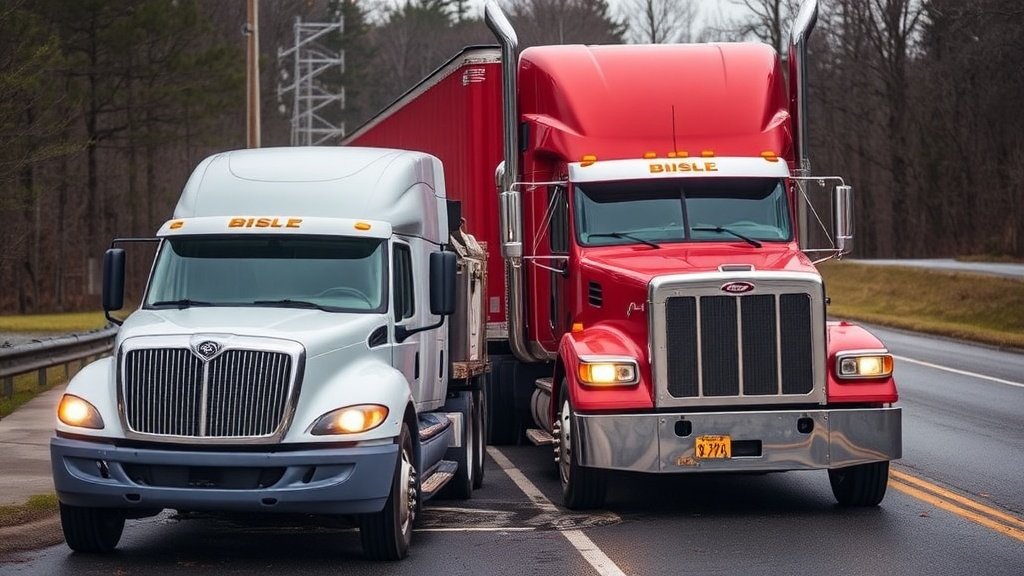
The Importance of Legal Counsel for Atlanta 18-Wheeler Accident Victims
When a large 18-wheeler is involved in an accident, the consequences can be devastating. Victims face physical, emotional, and financial challenges that can overwhelm anyone. It’s crucial not to settle too soon after such a traumatic incident. Understanding the importance of having experienced legal counsel will empower victims to seek the justice and compensation they genuinely deserve.
After an accident involving an 18-wheeler, the immediate aftermath can be chaotic. You might be dealing with injuries, medical bills, and the loss of income. While it’s tempting to accept the first settlement offer, often these initial amounts do not cover your long-term needs. Without a skilled attorney, you may find it difficult to navigate the complexities of insurance claims and multi-party liability.
Understanding the Complexity of 18-Wheeler Accidents
18-wheelers are not like regular vehicles. They are larger, heavier, and subject to stricter regulations. This complexity introduces multiple factors that can influence your case:
- Regulatory Framework: Commercial vehicles must adhere to federal and state regulations. Understanding these laws is key, as violations can support your claim.
- Multiple Responsible Parties: In many cases, more than one party may share liability. This could be the truck driver, the trucking company, or even the vehicle manufacturer.
- Insurance Policies: Commercial vehicle insurance policies differ significantly from personal auto insurance. They can be more challenging to navigate, requiring an understanding of the nuances involved.
With these intricacies, having legal counsel becomes vital. They have the expertise to sift through the details and thoroughly investigate your case, ensuring that no stone is left unturned.
The Role of Legal Counsel
The right attorney can make a substantial difference in the outcome of your case. Here’s how they can help:
- Collecting Evidence: Your lawyer will gather all essential evidence, such as police reports, eyewitness testimonies, and truck maintenance records. This evidence is invaluable in establishing liability.
- Calculating Damages: Your attorney will help you understand all the damages you might claim, including medical expenses, lost wages, and pain and suffering.
- Negotiating with Insurance Companies: Insurance adjusters often aim to offer the lowest possible settlement. Experienced lawyers know how to counteract these tactics effectively.
- Representing You in Court: If a fair settlement cannot be reached, your attorney will have the skills to represent you in court, presenting your case to a jury.
Why Early Warning is Key
It’s essential to seek legal counsel soon after the accident. Early involvement can significantly impact your case. Here’s why:
- Preservation of Evidence: The sooner you involve a lawyer, the better chance they have to preserve valuable evidence before it is lost or destroyed.
- Timely Action on Claims: There are deadlines for filing personal injury claims. Getting an attorney on board ensures you don’t miss critical windows.
- Support During Stressful Times: Navigating the aftermath of an accident is emotionally taxing. Having legal representation allows you to focus on recovery.
Don’t Settle Too Soon
Often, victims feel pressured to settle quickly, especially when faced with mounting bills. However, these early offers typically undervalue your rightful compensation. A skilled lawyer will ensure that you understand the full extent of your damages before agreeing to any settlement.
Furthermore, a good attorney can play a critical role in countering the tactics used by insurance companies that aim to minimize payouts. With their expertise, you’ll be in a better position to negotiate a fair settlement that genuinely reflects your situation.
In sum, if you find yourself or a loved one involved in an 18-wheeler accident in Atlanta, remember to prioritize legal counsel. The road to recovery can be long, but having an experienced attorney on your side makes navigating this path much safer and more manageable. Let legal professionals such as [Atlanta Truck Accident Lawyers](https://www.atlantatruckaccidentlawyers.com) help you seek the justice you deserve.
Common Types of Injuries Sustained in Truck Accidents
Truck accidents can lead to devastating consequences, often resulting in severe injuries due to the size and weight of commercial vehicles. Understanding the types of injuries commonly sustained in these accidents can help victims realize the seriousness of their situation and the importance of seeking legal assistance. Let’s explore some of the frequent injury types that arise from truck accidents.
Soft Tissue Injuries
Soft tissue injuries are among the most common outcomes of truck accidents. These include:
- Sprains and Strains: These injuries occur when muscles or ligaments are stretched or torn.
- Contusions: Often caused by impact, contusions result in bruising of the affected area.
- Tendon Injuries: Damage to tendons can severely limit movement and cause chronic pain.
Head and Brain Injuries
Head injuries can be particularly serious in truck accidents. These types of injuries include:
- Concussions: A concussion is a form of traumatic brain injury that can disrupt brain function and may lead to long-term repercussions.
- Skull Fractures: Impact during accidents may result in fractures to the skull, necessitating immediate medical attention.
- TBI (Traumatic Brain Injury): More severe than concussions, TBIs can have life-altering effects and require extensive rehabilitation.
Spinal Cord Injuries
The spine is susceptible to injury during a truck crash, leading to potentially life-changing conditions. Key spinal injuries often include:
- Herniated Discs: These occur when the outer layer of a disc cracks, allowing the inner material to push out and press on spinal nerves.
- Compression Fractures: A sudden impact can compress bones in the spine, leading to pain and immobilization.
- Complete or Incomplete Spinal Cord Injury: These injuries can cause paralysis or loss of sensory function, depending on the severity and location of the damage.
Fractures
Fractures are frequent in truck accidents, impacting various parts of the body. Common types include:
- Broken Bones: Arms, legs, and ribs are prone to fractures during collisions.
- Compound Fractures: These occur when a bone breaks through the skin, often leading to complications and infections.
- Stress Fractures: Repeated forces can cause tiny cracks in the bones, usually resulting from the stress of impact.
Internal Injuries
Internal injuries can be life-threatening and are often not visible immediately following an accident. They may include:
- Organ Damage: Trauma from a crash can lead to damage to vital organs such as the liver, spleen, or kidneys.
- Internal Bleeding: This potentially fatal condition may occur without obvious signs and requires urgent medical evaluation.
Psychological Injuries
The aftermath of a truck accident is not just physical; psychological injuries can severely impact victims’ lives. Common psychological conditions include:
- PTSD (Post-Traumatic Stress Disorder): This can occur after experiencing or witnessing a traumatic event.
- Anxiety and Depression: Victims may struggle with ongoing anxiety or depressive symptoms in response to their experiences.
In all cases, it is vital for victims to seek immediate medical attention and legal counsel. The repercussions of these injuries can last a lifetime, making it essential to understand not only your rights but also the long-term impact of your injuries.
If you’re interested in understanding more about the legal aspects of truck accidents, visit Truck Accident Attorney, where you can find valuable information tailored to victims of these unfortunate events.
Victims of truck accidents must avoid settling too soon. Engaging with a knowledgeable attorney can help ensure you receive the compensation you deserve for your injuries. The legal process can be complex, but having reliable counsel by your side makes all the difference in your journey toward recovery.
For further information on truck accident laws, consider exploring resources at Nolo which provides a comprehensive overview of legal options available to accident victims.
Understanding the Compensation Process After a Truck Accident
Accidents involving trucks can lead to devastating injuries and financial struggles. Understanding the compensation process after a truck accident is crucial for victims to secure the damages they deserve. Navigating this complex process can be overwhelming, but being informed helps you make the right decisions.
First, it’s important to know that compensation often covers various categories of damages, including:
- Medical Expenses: This includes hospital bills, rehabilitation costs, and ongoing treatment related to injuries from the accident.
- Lost Wages: If you’re unable to work due to your injuries, you can claim compensation for the income lost during recovery.
- Pain and Suffering: This pertains to the emotional and physical pain you endure due to the accident.
- Property Damage: You may also receive compensation for damage to your vehicle and other personal property.
- Future Expenses: Anticipated future medical expenses and therapy related to long-term injuries can also be included.
One of the first steps in seeking compensation is gathering evidence. Collecting information from the accident scene is essential, which includes:
- Photographs of the accident site
- Witness statements
- Police reports
- Medical records documenting your injuries
- Any truck driver logs or data regarding the vehicle involved
Once you have collected your evidence, it’s advisable to consult with an attorney who specializes in truck accidents. They can help assess your case, gather additional evidence, and guide you through the legal process. Having skilled legal representation is vital as this ensures that your claim is appropriately valued and presented.
The next step typically involves filing a claim. This can be done with the trucking company’s insurance provider or with your own insurance, depending on the situation surrounding the accident. In many cases, truck drivers are employed by large companies, adding layers to the compensation process. Understanding who is liable—whether it’s the driver, the trucking company, or the manufacturer—can significantly impact your claim.
During this phase, the insurance company will carry out an investigation into the accident. They will review all the evidence, including medical records, accident reports, and witness statements. This process can take time, and it’s essential to remain patient and stay in communication with your attorney for updates.
After the investigation, the insurance company will make a settlement offer. This amount may not always reflect the full extent of your damages. It’s common for victims to receive low offers that do not adequately cover their needs. This is why having an attorney is beneficial; they can negotiate on your behalf to secure a fair settlement. If negotiations stall, your attorney may suggest filing a lawsuit.
If the case goes to court, your attorney will present evidence and argue your case to a judge or jury. The decision will depend on the evidence presented and the effectiveness of your legal representation. A clear, compelling presentation can significantly affect the outcome.
Throughout this entire process, keeping detailed records of all your medical treatments, conversations with your attorney, and any communications with the insurance company is fundamental. Documentation plays a key role in protecting your rights and ensuring you receive the compensation you deserve.
Understanding the compensation process after a truck accident involves several key steps: gathering evidence, consulting with an attorney, filing a claim, negotiating with insurance, and possibly going to court. Each step requires attention to detail and commitment, and securing the right legal help can make a significant difference in your recovery journey.
For more detailed information about the compensation process and trucking accidents, you can visit Truck Accident Lawyers or Nolo. These resources can provide you with the knowledge and support you need to navigate this process successfully.
How to Choose the Right Attorney for Your Case
Choosing the right attorney for your case is a crucial step in ensuring your legal rights are protected and your interests are represented effectively. With so many options available, it can feel overwhelming. Here are key factors to consider when selecting the best attorney for your situation.
Assess Your Legal Needs
The first step is to understand the nature of your case. Different attorneys specialize in various areas of law. Identifying your specific needs will help narrow down your options. Common areas include:
- Personal Injury
- Family Law
- Criminal Defense
- Business Law
- Real Estate
Research Potential Attorneys
Begin your research by seeking referrals from friends, family, or colleagues who have had positive experiences with attorneys. You can also explore online resources. Websites like Avvo and Lawyers.com provide ratings and reviews that can help you evaluate attorneys in your area.
Check Qualifications and Experience
Once you have a list of potential candidates, check their qualifications and experience. Important factors include:
- Educational background
- Years of practice in the relevant field
- Record of successful outcomes in similar cases
Don’t hesitate to inquire about their experience with your specific type of case. An attorney’s familiarity with local laws and court procedures can greatly influence the outcome of your case.
Schedule Consultations
Most attorneys offer free consultations. This is an excellent opportunity to assess whether the attorney is a good fit for you. During the meeting, consider the following:
- How well do they listen to your concerns?
- Do they communicate clearly and effectively?
- Are they patient in answering your questions?
Evaluate Communication and Compatibility
Effective communication is key in any attorney-client relationship. You want someone who will keep you updated on your case’s progress and explain things in a way that’s easy to understand. Additionally, you must feel comfortable discussing personal matters with your attorney, so seek someone whose personality matches yours.
Discuss Fees and Payment Structures
Understanding the attorney’s fee structure upfront will save you from surprises down the line. Attorneys may charge in different ways, including:
- Hourly rates
- Flat fees for specific services
- Contingency fees, where the attorney only gets paid if you win
Be sure to ask about additional costs like filing fees or court costs, and get everything in writing.
Review Reviews and Recommendations
Before making your final decision, take a moment to review testimonials and feedback from previous clients. A high number of positive reviews can indicate reliability and satisfaction among clients. Websites like Yelp and Google Business can provide valuable insights through client experiences.
Make Your Decision
After thorough research and consultations, it’s time to make your decision. Trust your instincts. Choose an attorney who makes you feel confident and supported. Remember, selecting the right legal representation is critical to the outcome of your case.
Don’t rush your decision. Invest time in evaluating your options, ensuring the attorney you choose aligns with your needs and expectations. With the right attorney by your side, you will feel more empowered as you navigate your legal journey.
Your path to legal resolution deserves to be handled with care and expertise. If you are unsure, don’t hesitate to contact a local legal organization or bar association for assistance in finding the right attorney for your case.
The Role of Evidence in 18-Wheeler Accident Claims
When involved in an Atlanta 18-wheeler accident, understanding the role of evidence is crucial for victims seeking compensation. Evidence can be the deciding factor in determining liability, establishing fault, and securing a fair settlement. Here’s a closer look at why gathering evidence is vital in these cases.
User-friendly, relevant evidence includes:
- Accident reports: Police reports are essential documents that provide a factual basis for the incident. They contain details about what happened, contributing factors, and witness statements.
- Photographs: Images from the accident scene can illustrate the extent of damage to vehicles, road conditions, and any signage that could have affected the events leading up to the crash.
- Medical records: Documenting all injuries sustained during the accident is vital for proving the impact of the incident on your life. These records help outline the medical treatment you received and your recovery process.
- Witness statements: Eyewitness accounts can reinforce your version of the events. These statements provide unbiased perspectives on how the accident unfolded.
- Truck driver logs: These records reflect the driver’s hours of service and overall compliance with state and federal regulations. If the driver was fatigued or overworked, it may establish negligence.
- Black box data: Many large trucks are equipped with event data recorders, which capture critical information regarding speed, braking, and other performance metrics just before the accident occurred.
Since gathering evidence can be complex, particularly when dealing with large trucking companies that often have teams of legal professionals, seeking legal counsel can be a beneficial step. An experienced attorney can navigate this terrain, ensuring your case complies with legal standards and enhances your claim’s chance of success.
When considering evidence, it’s essential to understand how various elements connect. A well-structured approach to compiling evidence enhances its effectiveness:
| Type of Evidence | What It Proves |
|---|---|
| Police Reports | Establishes the official account of the accident. |
| Photographs | Visual evidence of damages and conditions at the scene. |
| Medical Records | Tracks injuries and associated medical treatment. |
| Witness Statements | Provides an unbiased perspective of the incident. |
| Driver Logs | Reveals potential regulatory violations by the driver. |
| Black Box Data | Offers factual information about the truck’s operation at the time of the crash. |
Each type of evidence serves a specific purpose and collectively helps establish a comprehensive view of the accident. Understanding this interconnectedness strengthens your claim, allowing for more compelling arguments regarding compensation.
Furthermore, victims should remember that time is of the essence when collecting evidence. Critical details might fade, and vital information may become harder to grasp as time passes. It is recommended to start gathering evidence as soon as possible following the accident to secure it before it’s lost or compromised.
Working with a knowledgeable attorney ensures you can collect and present evidence effectively. They can assist in uncovering details that may not initially seem pertinent but could influence your case’s outcome. For victims in Atlanta, legal support is valuable in navigating the often-complex world of insurance claims and negotiations with large trucking companies.
For more information and support, you can visit the following resources:
Ultimately, evidence forms the backbone of any 18-wheeler accident claim in Atlanta. By understanding its importance and working with legal professionals, victims can better position themselves for a robust claim. Don’t let your suffering go unnoticed—gather evidence, seek help, and pursue the justice you deserve.
Conclusion
Navigating the aftermath of an 18-wheeler accident in Atlanta can be overwhelming. The importance of having skilled legal counsel cannot be overstated, especially given the complex nature of truck accident claims. Victims often face severe injuries, from broken bones to traumatic brain injuries, that can impact their lives for years. Understanding the compensation process is crucial, as it can help you secure the financial support needed for medical bills, lost wages, and ongoing rehabilitation.
Choosing the right attorney is key to your success in pursuing justice and compensation. Look for someone who specializes in truck accident cases and has a proven track record. A knowledgeable attorney will know how to gather and present the evidence needed to support your claim, whether it’s accident reports, medical records, or witness testimonies. This strong foundation of evidence can make all the difference in your case.
Don’t settle too soon. Insurance companies often aim to minimize payouts, urging you to accept compensation that might not fully cover your needs. With experienced legal support, you can ensure that your rights are protected and that you receive what you are truly owed. This process may seem daunting, but taking action can lead to a brighter and more secure future. Remember, you deserve expert guidance every step of the way, so you can focus on healing and recovery after a devastating accident.










No Comments