


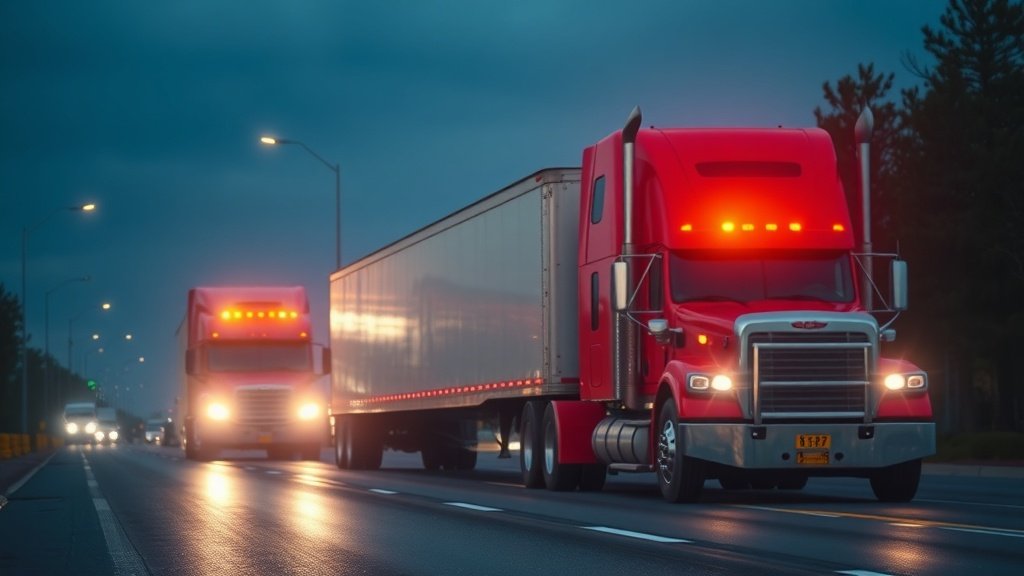
Determining Liability in Complex Atlanta 18-Wheeler Accidents
Complex accidents involving 18-wheelers in Atlanta can be daunting, especially when it comes to determining who is liable for the damages and injuries. Unlike smaller vehicles, 18-wheelers have many factors that can contribute to an accident, making the question of liability intricate. Knowing how liability is established can help victims seek compensation effectively.
One of the first steps in understanding liability in these accidents is to identify the parties involved. Depending on the circumstances, liability can fall on different entities, including:
- The truck driver
- The trucking company
- Vehicle manufacturers
- Parts manufacturers
- Other drivers involved in the accident
Each of these parties may hold some degree of liability based on findings from the accident investigation.
In many cases, the truck driver’s actions lead to accidents. Key factors include:
- Negligent Driving: This includes speeding, distracted driving, or driving under the influence.
- Violating Traffic Laws: Any infractions can contribute to liability.
- Driver Fatigue: 18-wheeler drivers must adhere to regulations regarding maximum driving hours. Violations can lead to accidents.
If the truck driver was indeed negligent, they can face legal responsibility for the accident. However, the trucking company may also carry liability. Companies are responsible for their employees’ actions during work hours, meaning you can pursue compensation from them if they failed to:
- Properly train the driver
- Maintain the truck
- Observe regulatory requirements such as weight limits
Sometimes, vehicle manufacturers might share liability. If a defect in the truck contributed to the accident, the manufacturer could be responsible. Relevant aspects include:
- Design Flaws: Issues that arise during manufacturing that compromise safety.
- Component Failures: Faulty parts, such as brakes or tires, can result in accidents.
In cases involving multiple vehicles, liability becomes even more complex. Determining fault among drivers can involve reviewing:
- Accident reports
- Witness testimonies
- Traffic camera footage
Each party’s degree of fault can potentially shift the overall liability. Georgia operates under a comparative negligence law, meaning victims can still receive compensation even if they are partially responsible. However, the amount they receive may be reduced based on their level of fault.
This legal framework emphasizes the importance of gathering comprehensive evidence after an 18-wheeler accident. You should gather:
- Photographs of the accident scene and involved vehicles
- Medical records related to injuries
- Documentation of truck maintenance records
- Logs of the truck driver’s driving hours
Engaging with legal experts can help navigate these intricate scenarios. For more information and assistance, you can visit reputable sources such as Georgia Trial Firm or Atlanta Trial Attorneys. These experienced teams understand the complexities involved and can guide you through the process of determining liability.
| Parties Involved | Potential Liability |
|---|---|
| Truck Driver | Negligent driving, tiredness, violations of traffic laws |
| Trucking Company | Failure to train, maintain, and follow safety regulations |
| Vehicle Manufacturer | Defects in design or manufacturing of the truck or parts |
| Other Drivers | Negligent behavior that may have caused or contributed to the accident |
Navigating the aftermath of a complex 18-wheeler accident in Atlanta can be challenging. Understanding who is liable can help you take the first steps toward recovering any damages sustained. By working closely with a qualified attorney, you maintain a clear path to justice and compensation.
Common Causes of 18-Wheeler Accidents in Atlanta
Atlanta is a bustling city with a complex network of highways, making it a hotspot for trucking and transportation. Unfortunately, this heavy traffic can lead to serious accidents involving 18-wheelers. Understanding the common causes of these accidents can help drivers, truck operators, and companies take preventive actions.
One major cause of 18-wheeler accidents in Atlanta is driver fatigue. Long hours on the road can lead to tired drivers who may struggle to stay awake and alert. The Federal Motor Carrier Safety Administration (FMCSA) regulates hours of service to combat this issue, but violations still occur. Truck companies and drivers must prioritize rest to ensure safety on the road.
Another significant factor is distracted driving. Whether it’s using mobile devices, eating, or adjusting in-cabin controls, distractions can take a driver’s focus away from the road. In Atlanta, where traffic can be unpredictable, maintaining full attention is vital to avoid collisions with smaller vehicles and pedestrians.
Speeding is also a common cause of accidents involving 18-wheelers. Trucks require more time to stop due to their massive size and weight. When truck drivers exceed the speed limit or drive too fast for conditions, the risk of losing control increases significantly. Adhering to speed limits, especially in heavy traffic or adverse weather conditions, can prevent accidents.
Improper maintenance of the truck is another critical factor. Regular inspections and maintenance checks are necessary to keep big rigs operating safely. If a truck’s brakes fail, tires blow out, or there are issues with lights, the likelihood of an accident increases dramatically. Truck companies must ensure that their vehicles are in top shape before hitting the road.
Weather conditions in Atlanta can play a significant role in accidents as well. Rain, fog, and slippery roads can make driving hazardous for any vehicle, but especially for large trucks. It’s essential for drivers to adjust their speed and driving style according to weather conditions to minimize risks.
Furthermore, driver inexperience can contribute to many accidents. New drivers may not be fully aware of how to handle a large truck in various situations, especially in busy traffic. Proper training programs and ongoing education can help these drivers gain the skills they need to navigate safely.
When it comes to liability in 18-wheeler accidents, understanding the various parties involved can be complex. Liability can rest with the driver, the trucking company, or even other road users. Factors like poor training, vehicle maintenance issues, or improper loading can create a web of accountability that requires thorough investigation and often legal expertise.
It’s crucial for victims of 18-wheeler accidents to seek legal advice as soon as possible. By understanding the common causes of these accidents, individuals can better protect themselves from future incidents. Here are some safety tips for drivers to prevent accidents:
- Get enough rest before driving.
- Avoid distractions like phones or eating while driving.
- Follow all traffic laws, including speed limits.
- Perform regular maintenance checks on your vehicle.
- Adjust driving according to weather conditions.
- Engage in comprehensive training if new to driving large trucks.
The implications of 18-wheeler accidents can be severe, including serious injuries or fatalities. It’s essential to be proactive and aware of the potential hazards while sharing the road with these large trucks. By recognizing these common causes and taking preventive measures, drivers can play a significant role in improving road safety.
For more information on accident safety and prevention, you can visit FMCSA and NHTSA. These resources provide valuable insights into safe driving practices and regulations that help keep our roads safer.
The Role of Insurance Companies in Truck Accident Claims
When involved in a truck accident, understanding the role of insurance companies can significantly impact the outcome of your claim. Motor vehicle accidents involving large trucks often result in extensive damages. Due to the sheer size and weight of these vehicles, injuries can be severe, and damages can escalate quickly. Therefore, insurance companies play a pivotal role in navigating the complexities of these claims.
First and foremost, it’s essential to identify the types of insurance coverage relevant to truck accidents. Here’s a brief overview:
- Liability Insurance: Covers damages to others if the truck driver is at fault.
- Physical Damage Coverage: Covers damages to the truck itself.
- Cargo Insurance: Protects the freight being transported.
- Uninsured/Underinsured Motorist Insurance: Protects you if the at-fault driver lacks adequate coverage.
In many truck accident cases, multiple insurance companies might be involved. This can include the truck driver’s insurance, the trucking company’s insurance, and potentially other parties involved in the accident. Each policy will have different terms and limits, complicating the claims process.
The insurance company of the truck driver will typically take charge of handling claims. They will conduct an investigation to determine fault and assess damage. If the truck driver is found responsible, you will negotiate with their insurance adjuster regarding compensation for:
- Medical expenses
- Property damage
- Pain and suffering
- Lost wages
Understanding how insurance companies evaluate claims is crucial. They aim to manage risk and minimize payout, leading to various strategies to settle claims for less than their worth. Here are some tactics they might employ:
- Initial Low Offers: Insurance companies often start with low settlement offers, hoping to settle quickly and cheaply.
- Discrediting Injury Claims: They may question the severity of your injuries, demanding extensive medical documentation.
- Delayed Responses: Insurance adjusters may take their time responding to claims or requests, causing frustration.
Moreover, truck accident claims can involve negligence on the part of the trucking company as well. If trucking regulations were violated, such as maintaining vehicle maintenance or adhering to driving hours, the trucking company may be held liable. Therefore, it’s essential to evaluate all possible at-fault parties in your accident.
The complexity of these claims emphasizes the need for legal representation. An attorney experienced in truck accident cases understands the nuances of insurance policies and can help advocate for your rights. They can assist in gathering evidence, negotiating with the insurance companies, and preparing for possible litigation.
When seeking compensation, you must act promptly. Insurance companies may have specific deadlines for filing a claim, often referred to as statutes of limitations. These deadlines vary by state and the type of claim being filed. Staying within these limits is crucial to ensure you don’t forfeit your right to compensation.
Additionally, keeping detailed records of the accident, including photographs, eyewitness statements, and medical reports, will support your claim substantially. Document everything related to the accident and your recovery – this data will strengthen your position during negotiations with the insurance company.
For more assistance on navigating truck accident claims and dealing with insurance companies, consider visiting Nolo for comprehensive legal resources, or Independent Insurance Agents and Brokers of America to learn more about insurance policies.
The role of insurance companies in truck accident claims is critical. They determine liability, assess damages, and negotiate settlements. Being well-informed about your rights, understanding different types of insurance, and having legal support can lead to a successful outcome in your case. Always approach these claims with knowledge and preparation, ensuring your interests are protected.
Legal Steps to Take After an 18-Wheeler Accident
Being involved in an accident with an 18-wheeler can be a daunting and overwhelming experience. The sheer size and weight of these trucks can lead to serious injuries and extensive damage. If you find yourself in such a situation, knowing the legal steps to take is crucial for protecting your rights and ensuring you receive the compensation you deserve.
Ensure Safety First
Your immediate concern after an accident should be safety. Move to a safe location away from traffic, and if possible, check on the well-being of others involved. Call emergency services right away to report the accident and seek medical attention, even if injuries are not apparent.
Document the Scene
Once you are in a safe spot, start gathering evidence. Take photos of:
- Vehicle damage
- The accident location
- Road conditions
- Any relevant traffic signs or signals
This documentation can be vital later when establishing fault and damages.
Gather Information
Collect necessary information from all parties involved in the accident, including:
- Name and contact information
- Insurance details
- Driver’s license numbers
- The truck’s registration number
Also, make sure to obtain contact information from any witnesses who can support your version of events.
Notify Your Insurance Company
After the accident, you should contact your insurance company to report the incident. Be honest and provide all relevant details but avoid making any statements that could be construed as admitting fault.
Consult with an Attorney
One of the most important steps to take after an 18-wheeler accident is consulting with an attorney who specializes in truck accidents. They can help you understand your rights, navigate the legal system, and gather the necessary evidence to support your case.
For expert legal insight and assistance, consider reaching out to Georgia Attorney Group.
File a Claim
Your attorney will guide you on how to file a claim. This may involve submitting claims to the truck driver’s insurance company or your insurance provider. Keep in mind that insurance companies may not always provide fair compensation, so it’s crucial to have professional legal guidance.
Consider Medical Expenses and Damages
In your claim, you should consider all related medical expenses, including:
- Hospital bills
- Rehabilitation costs
- Future medical care needs
- Lost wages due to time off work
Your attorney can help assess the full scope of your damages, ensuring that you receive adequate compensation for your losses.
Stay Organized and Keep Records
Throughout the process, maintain detailed records of everything related to the accident, including:
- Medical records
- Repair estimates
- Correspondence with insurance companies
- Notes from conversations with your attorney
Being organized will help your attorney effectively represent you and streamline the legal process.
Be Aware of Statutes of Limitations
Understanding the statutes of limitations in your state is critical. In Georgia, for instance, you typically have two years from the date of the accident to file a personal injury claim. Delaying could jeopardize your ability to receive compensation.
Seek Support
Don’t underestimate the emotional toll of being involved in an accident. Seek support from friends, family, or professional counselors to help you navigate this challenging time. Your well-being is just as important as your legal rights.
For more information about legal processes regarding truck accidents, you can visit Truck Accident Attorney. They offer resources that can help you understand your rights and options moving forward.
Accidents involving 18-wheelers are complex, but by taking the right legal steps, you can protect your interests and seek justice effectively.
Understanding Comparative Negligence in Trucking Accidents
In the world of trucking accidents, understanding the concept of comparative negligence becomes crucial. This principle determines how fault is assigned when multiple parties play a role in causing an accident. If you’re involved in a trucking accident, knowing how comparative negligence works can impact the compensation you receive.
Comparative negligence allows for shared responsibility among parties involved in an accident. Unlike traditional negligence, where one party bears complete liability, comparative negligence acknowledges that more than one party may contribute to the accident. This means you could still recover compensation even if you are partially at fault.
There are two main types of comparative negligence systems: pure comparative negligence and modified comparative negligence. Understanding these can significantly influence your case.
- Pure Comparative Negligence: In states that follow this rule, you have the right to recover damages no matter how much fault you carry. For example, if a judge finds you 70% at fault for an accident, you can still recover 30% of the total damages awarded.
- Modified Comparative Negligence: This system caps the compensation if you’re found more than a certain percentage at fault, usually 50% or 51%. If you’re found to be over that fault threshold, you cannot recover damages. For example, if you are found to be 51% at fault, you get nothing, but if it’s 49%, you may still recover a percentage of the damages.
In Georgia, where Atlanta is located, the modified comparative negligence rule applies. This means that if you hold 50% or more of the fault, you will be unable to recover damages from other parties. This is crucial for anyone navigating the aftermath of a truck accident, as it directly impacts your ability to seek compensation.
When assessing liability in a trucking accident, several factors will be examined:
- Driver Behavior: The actions of the truck driver leading up to the accident are crucial. If they were speeding, driving under the influence, or violating traffic laws, this could significantly impact fault allocation.
- Vehicle Maintenance: Trucks require regular maintenance. If the truck was poorly maintained, the trucking company could share liability. If a brake malfunction led to the accident, both the driver and the company may be held responsible.
- Weather Conditions: An accident may be more or less blameworthy depending on the weather. Drivers are expected to adjust their driving according to weather conditions, such as rain or fog.
- Road Conditions: If poor road conditions contributed to the accident, other entities may be liable. This includes liability for inadequately maintained roads or failing to provide proper signage.
Applying comparative negligence in a trucking accident claim often involves a thorough investigation. This process may include:
- Collecting witness statements
- Examining police reports
- Reviewing video footage from the accident
- Consulting with accident reconstruction experts
Understanding how these elements come together can guide you in pursuing a claim effectively. Having a knowledgeable attorney specialized in trucking accidents can prove invaluable. They can help you understand the nuances of comparative negligence and develop a strategy to maximize your compensation.
It’s also important to remember the statute of limitations for filing claims in Georgia. Typically, you have two years from the date of the accident to file a personal injury claim. Delaying can result in a loss of your right to compensation, especially when comparative negligence plays a role.
In the realm of trucking accidents, knowing your rights and responsibilities regarding comparative negligence is pivotal. If you find yourself affected by such an incident, consider consulting resources to reinforce your understanding and strengthen your position. Websites like Nolo or FindLaw provide insight into how negligence is assessed and how you can navigate these complex scenarios effectively.
Taking the right steps after a trucking accident can make all the difference. Knowing about comparative negligence helps ensure you’re informed and prepared to pursue the compensation you deserve.
Conclusion
Navigating the aftermath of a complex Atlanta 18-wheeler accident can be daunting, but understanding the key factors involved helps clarify the situation. Determining liability is essential, as multiple parties may share responsibility for the crash, including drivers, trucking companies, and vehicle manufacturers. Common causes like driver fatigue, improper loading, and poor vehicle maintenance often contribute to these accidents, highlighting the need for rigorous safety standards within the industry.
Insurance companies play a significant role in the claims process, impacting how compensation is determined for victims of truck accidents. Familiarizing yourself with their procedures can be beneficial in maximizing the offer you receive. Once an accident occurs, it’s crucial to follow specific legal steps, such as seeking medical attention and documenting the scene, as these actions can safeguard your rights and bolster your case.
Understanding comparative negligence further complicates liability in trucking accidents. This principle means that even if you share some fault, you may still be eligible to recover compensation, although it will be reduced by your percentage of fault. Being well-informed about these aspects not only empowers you but also ensures that you can seek the justice and compensation you deserve. With the right guidance and knowledge, you can navigate the complexities of an 18-wheeler accident case in Atlanta more effectively.





No Comments