


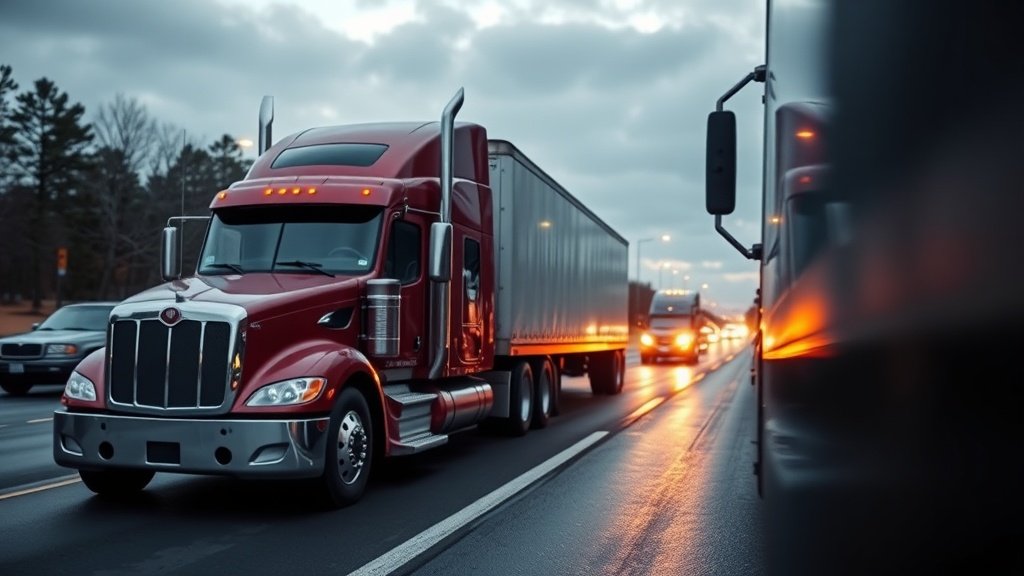
Common Causes of 18-Wheeler Accidents in Atlanta
Accidents involving 18-wheelers can have devastating consequences for everyone involved. In Atlanta, where freight traffic is consistently high, understanding the common causes of these accidents is essential for drivers, families, and anyone concerned about roadway safety. Knowing what contributes to these incidents can empower you to be more cautious on the road and aware of your legal rights if you are involved in an accident.
The following are some common factors that contribute to 18-wheeler accidents in Atlanta:
- Driver Fatigue: Long hours behind the wheel lead to fatigue for many truck drivers. Tired drivers may have slower reflexes and difficulty focusing on the road, increasing the risk of accidents.
- Distracted Driving: Phone calls, text messages, and even GPS devices can distract drivers. A moment of inattention can lead to a serious collision.
- Speeding: Many truck drivers may feel pressured to meet delivery schedules and may drive over the speed limit. Underestimating stopping distances can lead to catastrophic results.
- Improper Load Securement: If a truck’s cargo is not secured properly, it can shift while driving, causing the truck to tip over or lose control. This can endanger other road users.
- Weather Conditions: Rain, fog, and ice can make driving hazardous. Poor visibility and slippery roads mean that truck drivers must adjust their driving styles to ensure safety.
- Vehicle Maintenance: Regular maintenance is crucial for the safe operation of any vehicle, especially for large trucks. Mechanical failures, such as brake failures, lead to accidents.
- Inexperienced Drivers: New drivers may lack the experience needed to operate large trucks safely. As a result, they might misjudge distances or become overwhelmed by complex driving situations.
Understanding these causes is the first step to improving safety on the roads. If you or a loved one has been involved in an accident with an 18-wheeler, it’s important to know your legal rights. Here are key things to consider:
- Consulting an Attorney: An experienced attorney can help you understand your legal rights and guide you through the legal process. They can help establish liability and file a claim.
- Documenting Evidence: If you are involved in an accident, document everything. Take photos, get witness statements, and file a police report. This information is essential when filing a claim.
- Insurance Claims: Most trucking companies have extensive insurance coverage. It’s essential to understand the insurance process to ensure you receive the compensation you deserve.
- Mental and Emotional Health: Dealing with the aftermath of an accident can be overwhelming. Seeking therapy or counseling can help with emotional recovery.
It is worth noting that the insurance claims process can be complicated. Many families find it challenging to deal with the bureaucracy and paperwork on their own. This is where an attorney familiar with truck accidents can make a significant difference. Not only can they help navigate the system, but they can also ensure that any long-term health issues resulting from the accident are factored into any settlements.
For more detailed information about your rights and the steps to take after an accident, you can visit resources such as American Bar Association – Trucking Litigation or get in touch with local legal firms specializing in vehicular accidents.
Staying informed about the common causes of 18-wheeler accidents in Atlanta can keep you and your loved ones safer on the road. Awareness leads to caution, and caution can mean the difference between life and death when sharing the road with large trucks.
The Role of Driver Fatigue in Trucking Incidents
Driving an 18-wheeler can be a demanding job that requires long hours on the road. One of the significant factors contributing to trucking incidents is driver fatigue. When a truck driver experiences fatigue, their ability to operate the vehicle safely is severely compromised. This not only puts themselves at risk but also endangers other road users. Here’s a closer look at how driver fatigue plays a role in trucking incidents.
Fatigue can stem from various factors. Understanding these causes can help you become more aware of the potential dangers on the road. Some common causes of driver fatigue include:
- Lack of Sleep: Many truck drivers do not get adequate rest, leading to sleep deprivation. The Federal Motor Carrier Safety Administration (FMCSA) recommends at least 7 hours of sleep for optimal functionality.
- Long Hours: Truck drivers often work extended hours and may even drive for over 11 hours straight. These long shifts without breaks lead to accumulated fatigue.
- Irregular Schedules: Disrupted sleep cycles due to irregular work schedules can confuse the body’s internal clock, making it harder to achieve restorative sleep.
- Health Issues: Certain health conditions, like sleep apnea, can significantly contribute to chronic tiredness. Drivers suffering from such conditions should prioritize their health and rest.
- Stress and Anxiety: The pressures of meeting deadlines can also take a toll. Drivers may push themselves to stay alert at the expense of their well-being.
When drivers are fatigued, several performance deficits can occur, leading to various risks on the highway. These include:
- Slower Reaction Times: Fatigued drivers often have delayed responses to sudden events, such as stopping suddenly or changing lanes.
- Reduced Attention: Fatigue hinders a driver’s ability to focus on the road. They may miss important signs and hazards.
- Lapses in Memory: Sometimes, tired drivers can forget crucial steps in their routine, like performing safety checks.
- Impaired Decision-Making: Fatigue can cloud judgment and lead to poor choices while driving, further increasing the risk of accidents.
The statistics surrounding truck driver fatigue are alarming. According to a study by the FMCSA, drowsy driving is responsible for an estimated 20% of all vehicle crashes involving heavy trucks. This highlights the urgency in addressing the fatigue problem in the trucking industry.
| Factor | Impact on Driving |
|---|---|
| Lack of Sleep | Increases the chance of falling asleep at the wheel |
| Long Shifts | Reduces alertness and reaction time |
| Health Issues | Can lead to chronic fatigue affecting performance |
| Stress | Impairs focus and decision-making skills |
To mitigate the risks associated with driver fatigue, several strategies can be implemented. These may include:
- Regular Breaks: Ensuring drivers take regular breaks every few hours for rest and physical movement can help combat fatigue.
- Sleep Hygiene: Encouraging drivers to maintain a regular sleep schedule aids in improving overall sleep quality.
- Monitoring Health: Regular health check-ups can help identify any underlying conditions contributing to fatigue.
- Education and Training: Implementing education programs about the importance of rest can empower drivers to make healthier choices.
If you or someone you know has been involved in a trucking incident related to driver fatigue, understanding your legal rights is crucial. Depending on the circumstances, you may be entitled to compensation for injuries, medical expenses, and other damages. It’s advisable to consult with legal experts specializing in truck accidents to evaluate your options. Resources like TruckAccidents.org can provide valuable information on navigating these unfortunate situations.
Driver fatigue remains a concurrent issue in the trucking industry. By understanding its common causes and recognizing your legal rights, you can better equip yourself to address the dangers presented on the highways.
Understanding Your Legal Rights After an 18-Wheeler Accident
Experiencing an 18-wheeler accident can be terrifying, not only due to the physical harm involved but also because of the complex legal aftermath that follows. Understanding your legal rights is crucial for navigating this challenging situation. If you’re involved in an accident with an 18-wheeler, knowing what you can do is essential for ensuring your well-being and securing compensation for damages.
First, it’s important to know that commercial truck accidents often have different legal implications compared to regular vehicle collisions. When you are in a crash with an 18-wheeler, various parties might share liability, making your legal rights a bit more complex. Here’s a breakdown of key points you should consider:
Immediate Steps After the Accident
After any accident, especially one involving an 18-wheeler, taking the right steps is critical. Follow this checklist:
- Ensure Safety: First, check yourself and others for injuries. Call emergency services immediately if anyone is hurt.
- Gather Information: Collect contact and insurance information from the truck driver, and gather witnesses’ names and contact details.
- Document the Scene: Take pictures of the accident scene, including vehicle damage, traffic signs, and road conditions.
- Contact Authorities: Get a police report as this can be essential for any legal proceedings.
Identifying Liability
Determining who is at fault in an 18-wheeler accident can be complicated. Potentially liable parties may include:
- The truck driver
- The trucking company
- Vehicle manufacturers
- Other drivers on the road
In many cases, trucking companies can be held responsible if their employee was acting within the scope of their employment. This means that if the driver was driving with the company’s consent when the accident occurred, you may also have a case against the company.
Your Legal Rights
As a victim of an 18-wheeler accident, you have specific rights that help you seek justice and compensation. Understanding these can empower you:
- Right to Medical Treatment: You have the right to seek medical care for any injuries sustained in the accident.
- Right to Compensation: If the accident was not your fault, you can file for compensation for medical bills, lost wages, and property damage.
- Right to Legal Counsel: You are entitled to hire a lawyer who specializes in truck accidents to help you navigate your case.
- Right to File a Claim: You can file a claim with your insurance or the at-fault party’s insurance to recover damages.
It’s essential to act quickly as many states, including Georgia, have statutes of limitations on how long you have to file a claim. In Georgia, you typically have two years from the date of the accident to initiate a lawsuit.
Importance of Legal Representation
Legal representation can significantly impact the outcome of your case. An experienced attorney understands the nuances of truck accident law and will advocate for your rights effectively. They can help gather evidence, negotiate with insurance companies, and represent you in court if necessary.
Finding the right attorney can make a major difference. Look for someone who has experience with 18-wheeler accidents and is familiar with Georgia laws. Websites like Truck Accident Attorney offer resources that can help you find qualified legal help.
Insurance Considerations
Dealing with insurance can also be tricky after an 18-wheeler accident. Insurance companies often aim to minimize payouts, and without legal assistance, you may not receive the full amount you deserve. Make sure to document every conversation and keep records of all expenses related to the accident.
If you are involved in an 18-wheeler accident in Atlanta, understanding your legal rights is crucial for recovery. Documentation, identifying liable parties, and seeking legal representation will elevate your chances of obtaining the compensation you deserve. For more help, visit DMV.org for insights into accident claims or Nolo for guidelines on legal processes related to accidents.
The Impact of Weather Conditions on Truck Safety
Understanding the Impact of Weather on Trucking Safety
Driving a truck under adverse weather conditions can be extremely challenging and dangerous. Factors such as rain, snow, fog, and high winds can significantly affect a truck driver’s ability to operate their vehicle safely. Understanding how these conditions impact truck safety is vital for both drivers and the companies they represent.
Effects of Rain on Truck Safety
When it rains, the road surface can become slick, increasing the risk of hydroplaning. Truck drivers must exercise increased caution during these moments as larger vehicles are more prone to losing their grip on the roadway. Some of the key issues include:
- Reduced Visibility: Rain can limit a driver’s ability to see other vehicles and important road signs.
- Longer Stopping Distances: Trucks require more time and distance to come to a complete stop when the roads are wet.
- Hydroplaning: Trucks can easily slide on wet surfaces, leading to potential accidents.
The Dangers of Snow and Ice
Winter weather can be particularly hazardous for truck drivers. Snow and ice create treacherous driving conditions that demand extensive caution and preparedness. Here are some crucial points concerning snow and ice:
- Increased Stopping Distance: When roads are snowy or icy, stopping distances can increase significantly.
- Drifting: Strong winds can cause snow to drift, reducing visibility and creating hazardous paths.
- Jackknifing: This occurs when the trailer begins to slide and can lead to the truck flipping over.
Fog and Low Visibility Conditions
Driving through fog can create a sense of disorientation, particularly for truck drivers. Low visibility conditions can lead to accidents if caution is not exercised. When traveling in fog, consider the following:
- Use Low-Beam Headlights: Use low beams to enhance visibility without causing glare.
- Maintain Safe Following Distance: Keeping a greater distance allows for more reaction time in case of sudden stops.
- Watch for Other Vehicles: Be particularly aware of approaching cars and motorcycles, often more difficult to spot in fog.
Windy Conditions and Their Effects
High winds can have a devastating impact on truck safety. These gusts can easily push a high-profile truck off its intended path. Key dangers of windy conditions include:
- Loss of Control: Sudden gusts can cause a truck to swerve or skid.
- Rollover Risk: Trucks are especially vulnerable to rollovers when strong winds push them sideways.
- Debris in the Road: Wind often sends debris into the path of drivers, creating sudden hazards.
Precautionary Measures for Truck Drivers
To ensure safe driving in adverse weather conditions, truck drivers should take specific precautions:
- Plan Ahead: Check weather forecasts before starting your trip and adjust your route accordingly.
- Adjust Speed: Slow down during inclement weather to adapt to changing road conditions.
- Frequent Breaks: If conditions become too severe, find a safe place to pull over and wait it out.
Your Rights as a Truck Driver
Being informed about your rights as a truck driver under adverse weather conditions is essential. If you find yourself in an accident due to hazardous weather, you may have various legal avenues to pursue depending on circumstances.
For additional information on truck safety resources, you might find helpful insights at TruckingInfo or explore regulations through the FMCSA.
Steps to Take Immediately Following a Collision with a Commercial Truck
If you’ve been involved in a collision with a commercial truck, it can be a confusing and overwhelming experience. Here’s a clear guide on what steps you should take immediately following such an incident to protect your rights and well-being.
Check for Injuries
First and foremost, ensure everyone involved is safe. Check yourself, your passengers, and anyone else in other vehicles for injuries. If anyone appears hurt, call 911 immediately. Even if there are no visible injuries, it’s wise to seek medical attention, as some injuries might not surface right away.
Move to Safety
If your vehicle is drivable, move it to a safe location away from traffic. Turn on your hazard lights to warn other drivers of the accident. If you cannot move your vehicle, stay inside with your seatbelt fastened until help arrives.
Call the Authorities
It’s essential to report the incident to the police. When they arrive, be honest and provide accurate information. Ensure you collect a copy of the police report, as it will be vital for insurance claims and any legal actions that may emerge later.
Document the Scene
Taking detailed notes and pictures at the scene can be crucial. Consider the following:
- Photograph all vehicles involved, showing damage and positioning.
- Capture any relevant road signs or traffic signals.
- Gather contact information from witnesses who can corroborate your account of events.
Exchange Information
Exchange contact and insurance details with the truck driver. Obtain:
- Name and contact information
- Driver’s license number
- Insurance company name and policy number
- Vehicle registration details
This information will be helpful for insurance claims and identifying any liable parties.
Notify Your Insurance Company
Contact your insurance provider to report the accident as soon as possible. Provide them with all the details you gathered, including the police report and information from the truck driver. This will help expedite the claims process.
Seek Medical Attention
Even if you feel fine, getting evaluated by a healthcare professional is critical. Some injuries may not be immediately apparent, and having a medical record can be important for future claims or legal cases.
Consult with an Attorney
If injuries or damages are extensive, consider consulting with a personal injury attorney who specializes in truck accidents. They can provide guidance on your legal rights and help you receive fair compensation for medical bills, lost wages, and pain and suffering. For more information, consider visiting The Injury Lawyers.
Keep All Documentation
Maintain a record of all documentation related to the accident, including:
- Medical records and bills
- Repair estimates for your vehicle
- Any correspondence with your insurance company
This documentation will be essential when negotiating settlements or pursuing legal action.
Be Cautious with Statements
In your communications with the truck driver’s insurance and your own, be careful not to admit any fault, even unintentionally. Statements made following an accident can be used against you, so stick to the facts without speculating or assigning blame.
Understand Your Rights
Having a good grasp on your legal rights is fundamental. If you suffered injuries due to the negligence of the truck driver or their employer, you might be entitled to compensation. For detailed information about this, you can visit Nolo.
Remaining calm and methodical can help you navigate the aftermath of an accident with a commercial truck. By taking these steps, you can protect your health and your legal rights while ensuring your voice is heard in the process.
Conclusion
Understanding the common causes of 18-wheeler accidents in Atlanta can empower you as a driver and passenger. Many factors contribute to these incidents, from driver fatigue to adverse weather conditions. Recognizing that fatigue can impair a driver’s reaction time and decision-making is crucial for safety. Additionally, inclement weather can create hazardous driving situations, necessitating extra caution from all drivers on the road.
If you’re involved in an accident with a commercial truck, knowing your legal rights is essential. You may be entitled to compensation for medical expenses, lost wages, and pain and suffering. It’s always advisable to seek legal counsel to navigate the complexities of trucking regulations and establish liability.
Taking immediate action post-collision can significantly affect the outcome of your case. Ensure everyone involved is safe, call the authorities, and document the scene as much as possible. Gathering evidence, such as photographs and witness statements, can help support your claim later on.
Being informed about these issues not only enhances your personal safety but also ensures you are better prepared in the unfortunate event of an accident. Remember, you have rights and options available to you. By staying alert and informed, you can contribute to safer roads in Atlanta while safeguarding your interests should a tragedy occur.









No Comments