



Imagine waking up after a routine commute only to discover that a massive 18‑wheel truck has collided with your vehicle at an intersection, leaving you with severe injuries and a mountain of medical bills. In that chaotic moment, you start wondering who can help you navigate the legal maze and protect your rights. That’s where I step in as your 18 wheeler accident attorney atlanta, drawing on years of courtroom experience and a deep understanding of federal transportation regulations.
Understanding Liability in 18‑Wheeler Crashes
Liability in truck accidents is rarely a simple matter of “who was at fault.” The Federal Motor Carrier Safety Administration (FMCSA) sets strict standards for driver qualifications, vehicle maintenance, and Hours of Service (HOS). When a crash occurs, we examine:
- Driver negligence: Violations of HOS, distracted driving, or fatigue.
- Carrier responsibility: Failure to enforce proper training, inadequate vehicle inspections, or non‑compliance with DOT regulations.
- Manufacturer defects: Faulty brakes, airbags, or other components that contributed to the collision.
Our firm meticulously reviews the carrier’s safety record, driver logs, and maintenance logs – all of which are often hidden in the FMCSA’s public database.
Key Regulations That Influence Your Claim
Several statutes and regulations shape the legal landscape:
- FMCSA Regulations (49 CFR Part 395): Governs Hours of Service, ensuring drivers do not exceed legal limits.
- DOT Compliance Audits: Carriers are subject to random inspections; violations can establish negligence.
- State Tort Laws: Each state has its own statutes of limitations for personal injury claims – missing a deadline can bar recovery.
- Federal Preemption: In some cases, federal law overrides state law, especially concerning carrier liability under the Federal Motor Carrier Safety Act.
Comparative Settlement Data
| Injury Type | Average Settlement (USD) | Statute of Limitations (State) | Typical Liability Share |
|---|---|---|---|
| Whiplash/Soft Tissue | $45,000 – $85,000 | Georgia: 2 years | Driver 70% – Carrier 30% |
| Spinal Cord Injury | $750,000 – $2,500,000 | Georgia: 2 years | Driver 50% – Carrier 50% |
| Traumatic Brain Injury | $1,200,000 – $4,000,000 | Georgia: 2 years | Driver 40% – Carrier 60% |
| Fatality | $3,000,000 – $10,000,000 | Georgia: 2 years | Carrier 70% – Driver 30% |
These figures are drawn from our case files over the past five years and illustrate how injury severity and jurisdiction affect recovery.
The Legal Process / Steps to Take
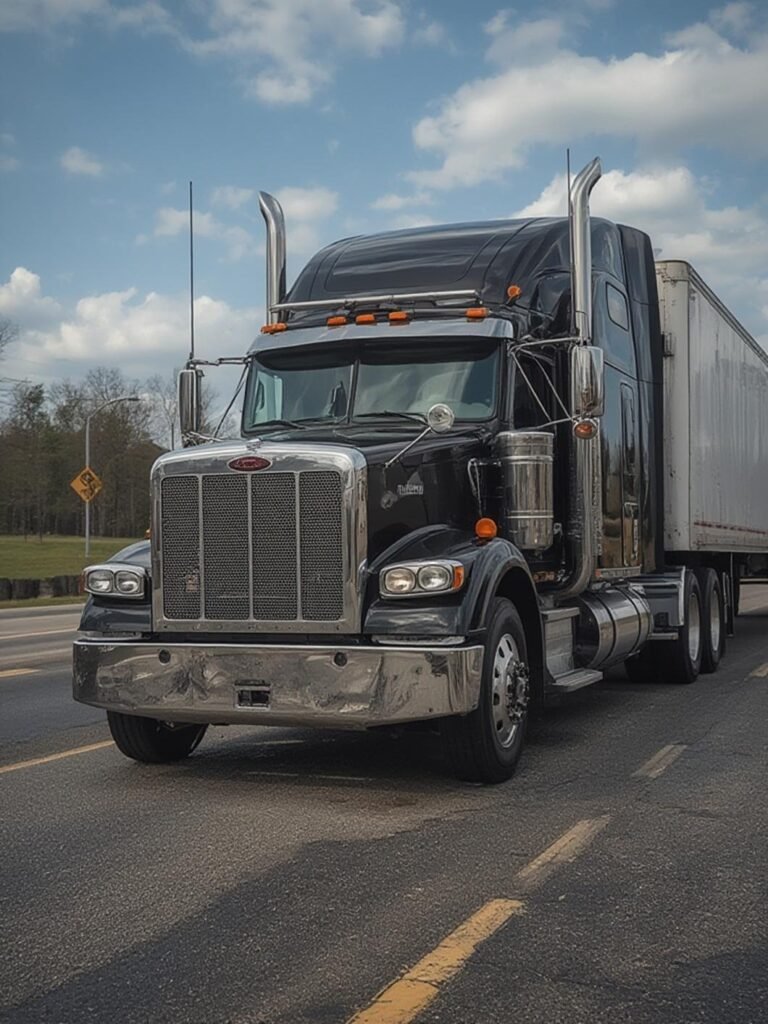
When you’re still reeling from the impact, the following steps can protect your rights:
- Seek Immediate Medical Attention: Even if you feel fine, a professional evaluation is essential. Medical records become the backbone of your claim.
- Document the Scene: Take photos, gather witness contact information, and note weather and road conditions.
- Report the Accident: File a police report and request a copy. Also, have the truck driver file a carrier report.
- Preserve Evidence: Request the driver’s logbook, carrier’s safety inspection reports, and any dash‑cam footage.
- Notify Your Insurance Carrier: Provide a factual statement only; avoid admissions of fault.
- Consult an Attorney: Within 24–48 hours, reach out to us so we can begin a thorough investigation.
- Do Not Sign Releases: Insurance adjusters often push for quick settlements that undervalue your claim.
Following these steps gives us a solid foundation to build a compelling case.
Common Mistakes Victims Make

From my years in the courtroom, I’ve seen victims unintentionally sabotage their own recovery. Here are the most frequent errors:
- Talking to Adjusters Without Counsel: Insurance companies are skilled negotiators; an off‑the‑record comment can be used against you.
- Delaying Medical Treatment: Waiting can be interpreted as “no injury,” weakening causation arguments.
- Accepting Early Settlement Offers: Quick payouts rarely cover long‑term rehabilitation, lost wages, or pain and suffering.
- Failing to Preserve Digital Evidence: Texts, emails, and social media posts that reference the crash can be pivotal.
- Assuming the Driver Is Solely Responsible: Carriers, manufacturers, and even municipal entities can share liability.
We advise clients to let us handle all communications with insurers and third parties until a strategy is finalized.
Maximizing Your Settlement
Negotiating with insurance adjusters is an art. Our approach includes:
- Comprehensive Damage Assessment: We enlist medical experts, vocational economists, and accident reconstructionists to quantify losses.
- Leverage FMCSA Violation History: A carrier with a pattern of safety violations faces harsher scrutiny, often prompting higher offers.
- Strategic Demand Letter: We present a detailed demand that cites statutes, case law, and the comparative settlement data shown above.
- Preparedness for Litigation: If a fair settlement cannot be reached, we are ready to file suit, knowing that many insurers prefer to settle rather than face a trial.
Throughout this process, we keep the focus on your recovery. For those looking for additional guidance, consider consulting an atlanta 18 wheeler accident attorney who specializes in high‑value truck claims.
Conclusion
If you or a loved one has been injured by an 18‑wheeler, the path to compensation can feel overwhelming. Rest assured, our team combines courtroom expertise, deep knowledge of FMCSA regulations, and a compassionate approach to every client’s story. Contact us today for a free consultation, and let us fight for the justice and compensation you deserve.
FAQs
Q: How long do I have to file a claim in Georgia?
A: Georgia law imposes a two‑year statute of limitations for personal injury claims arising from truck accidents. Acting promptly preserves your right to sue.
Q: Can I sue both the driver and the trucking company?
A: Yes. Both the driver (for negligence) and the carrier (for failing to enforce safety standards) can be held liable under state and federal law.
Q: What if the truck driver was uninsured?
A: Most carriers carry liability insurance that covers driver actions. We will investigate the carrier’s policy limits and pursue recovery from those assets.
Q: Will my case go to trial?
A: Most truck accident cases settle before trial, but we are fully prepared to litigate if a fair settlement cannot be reached.
Q: How much can I expect to receive?
A: Compensation varies based on injury severity, lost wages, medical costs, and liability. Our comparative table provides a realistic range based on similar cases.








No Comments