



Imagine waking up after a night of restless sleep, only to find yourself in a hospital room with a broken wrist, a concussion, and a mountain of medical bills after a semi‑truck plowed into the side of your car on a rainy highway. You’re bewildered, scared, and wondering how you’ll pay for the surgery you need. This is where a seasoned 18 wheeler accident attorney can turn a chaotic night into a path toward recovery and compensation.
The Legal Process: Steps to Take Immediately After an Accident
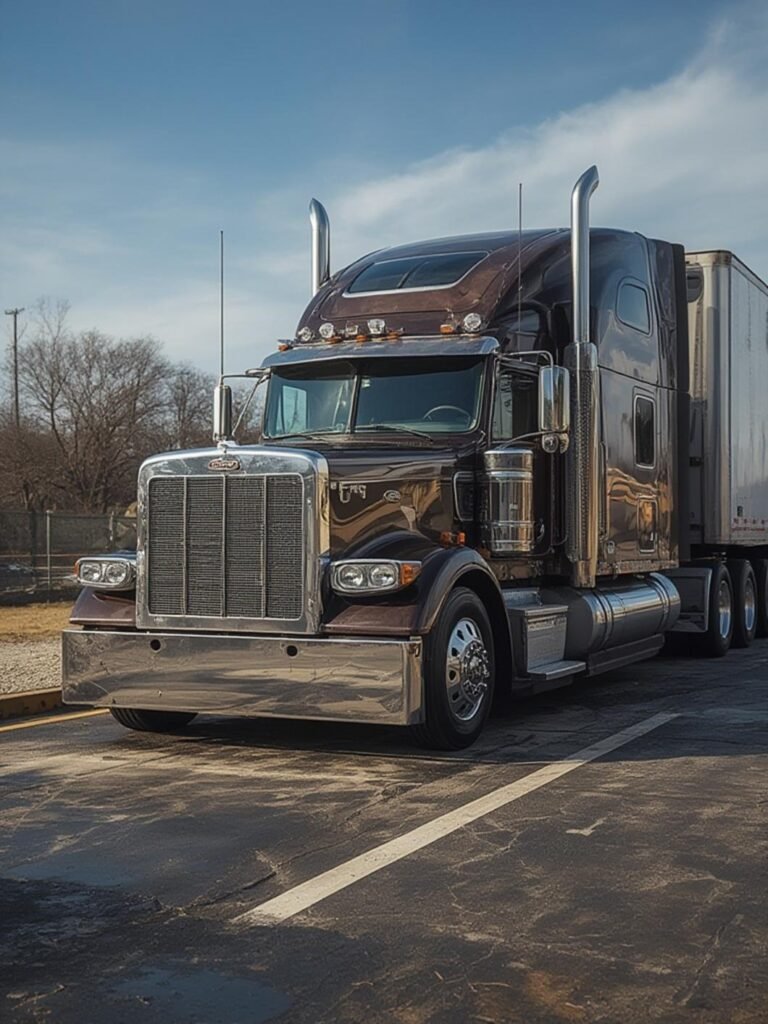
Time is of the essence after a collision involving a commercial truck. Here’s the checklist we advise every client to follow:
- Call 911 and seek medical attention. Even if you feel fine, injuries like whiplash or internal trauma can surface days later.
- Document the scene. Take photos of vehicle damage, road conditions, traffic signs, and any visible injuries. If possible, obtain a copy of the truck’s driver’s license and company name from the cab.
- Collect witness information. Names, phone numbers, and statements can be pivotal when establishing fault.
- Notify your insurance company. Provide a factual account; avoid speculation about liability.
- Preserve the truck’s electronic data. Modern 18‑wheelers are equipped with Event Data Recorders (EDRs) – the “black box” that logs speed, braking, and driver inputs for the minutes before a crash. Our team works with forensic experts to request this data through a formal subpoena.
- Engage a specialized attorney. The FMCSA (Federal Motor Carrier Safety Administration) regulates driver Hours of Service, vehicle maintenance, and driver qualification files. An attorney who knows how to request and interpret these records can uncover violations that shift liability onto the carrier.
Common Mistakes Victims Make

In my 15 years representing victims of large‑vehicle crashes, I’ve seen a pattern of self‑sabotage that dramatically reduces recoveries:
- Accepting the first settlement offer. Insurance adjusters often propose a lowball figure within days of the accident, hoping the victim is eager to close the case before medical costs mount.
- Failing to seek independent medical evaluations. Relying solely on the treating physician’s notes can leave gaps that insurers exploit.
- Neglecting to report the crash to the carrier. Federal regulations require carriers to keep a record of every incident. If the driver or company fails to file a report, you lose a critical piece of evidence.
- Posting about the accident on social media. Even an innocuous “Feeling better after my crash” can be used to argue the injury isn’t severe.
- Signing any document without legal counsel. Many victims inadvertently sign releases that waive their right to future compensation.
Maximizing Your Settlement
Negotiating with insurance companies is an art and a science. Here’s how we protect your claim:
- Calculate the full economic loss. We add up medical bills, future treatment estimates, lost wages, and loss of earning capacity. Our firm uses actuarial tables to project long‑term disability costs.
- Quantify non‑economic damages. Pain, suffering, and loss of enjoyment of life are often the most contested elements. We rely on detailed client journals and expert testimony to assign a monetary value.
- Leverage FMCSA violations. If the driver exceeded Hours of Service, was driving under the influence, or the truck failed mandatory inspections, we use these violations to argue gross negligence.
- Present a demand package. Our demand includes medical records, EDR data, carrier compliance reports, and a comprehensive narrative of how the crash altered the client’s life.
- Know when to litigate. If the carrier’s insurer refuses a fair offer, we’re prepared to file a lawsuit. The mere threat of litigation often brings a more reasonable settlement.
Our experience working with 18 wheeler accident lawyers across the country gives us insight into the tactics insurers use and how to counter them.
Settlement Comparison Table
| Injury Severity | Average Settlement (USD) | Typical Compensation Factors | Statute of Limitations (Years) |
|---|---|---|---|
| Soft Tissue (whiplash, minor sprains) | $15,000 – $35,000 | Medical bills, short‑term lost wages, pain & suffering | 2–3 (varies by state) |
| Fractures & Major Sprains | $50,000 – $120,000 | Medical & rehab costs, moderate lost wages, permanent impairment rating | 2–4 |
| Spinal Cord Injury | $300,000 – $2,500,000 | Lifetime medical care, loss of earning capacity, assistive device costs, severe pain & suffering | 3–5 |
| Traumatic Brain Injury | $500,000 – $5,000,000 | Neuro‑rehabilitation, long‑term care, cognitive impairment, loss of independence | 3–5 |
| Fatality | $1,500,000 – $10,000,000+ | Survivor benefits, loss of consortium, funeral expenses, punitive damages (if gross negligence) | 3–5 |
Conclusion
When a massive truck collides with your vehicle, the physical and financial fallout can feel insurmountable. Our firm’s decades‑long track record—over 3,000 successful settlements and verdicts—means we understand the intricacies of FMCSA regulations, carrier liability, and the insurance tactics designed to minimize payouts. If you’re facing mounting bills and uncertainty, let us evaluate your case for free. Reach out today, and we’ll fight to protect the compensation you deserve.
FAQs
Q: How much does it cost to hire a 18‑wheeler accident attorney?
A: We work on a contingency fee basis—no upfront costs. Our fee is a percentage of the recovery, typically 33% of the gross settlement, which is only paid if we win your case.
Q: How long does a truck accident case take?
A: The timeline varies. Simple cases may settle within 6–12 months. Complex cases involving severe injuries or corporate carriers can take 18–36 months, especially if a trial is necessary.
Q: What if the truck driver was uninsured?
A: Most commercial trucks carry high‑limit liability policies mandated by the FMCSA. If the driver’s personal policy is insufficient, the carrier’s policy is the primary source of recovery.
Q: Can I still file a claim if I was partially at fault?
A: Yes. Many states follow comparative negligence rules, allowing you to recover damages reduced by your percentage of fault, provided it is below the statutory threshold (often 50%).
Q: What documents should I bring to my first consultation?
A: Bring the police report, medical records, photos of the scene, any correspondence with insurers, and a list of expenses (bills, lost wages). The more information you provide, the faster we can assess your claim.









No Comments